ROR Horses for Sale Retired Racers Rehomed
- 1.
Wait—Hold On—Did Someone Just Say *Roar*? Or… *Ror*? (Spoiler: It’s Not a Lion in a Stable)
- 2.
So What *Does* RoR Mean in Horse Terms—And Why’s It Got a Capital R, a Lowercase o, and Another Capital R? (Grammar Nerd Alert)
- 3.
What Makes a Horse RoR Eligible—And No, It’s Not Just ‘Ran Round a Track Once While Wearing a Silky Hat’?
- 4.
What Qualifies for RoR—Beyond the Obvious ‘Four Legs, a Tail, and a Grudge Against Starting Gates’?
- 5.
Would You Buy a Horse That Roars? (Spoiler: It’s Not About the Noise—It’s About the Story)
- 6.
From Starting Gate to Schooling Ring: What *Actually* Happens in Retraining?
- 7.
What’s the Damage, Then? How Much for an RoR Horse—And What’s *Really* Included?
- 8.
The ‘Roar’ Myth vs. Reality: Debunking Four Things You’ve *Definitely* Heard at the Tack Shop
- 9.
Success Stories: When an RoR Horse Doesn’t Just Find a Home—It Finds a *Calling*
- 10.
Where Do We Go from Here—And How Do You *Actually* Start Lookin’?
Table of Contents
Ror Horses for Sale
Wait—Hold On—Did Someone Just Say *Roar*? Or… *Ror*? (Spoiler: It’s Not a Lion in a Stable)
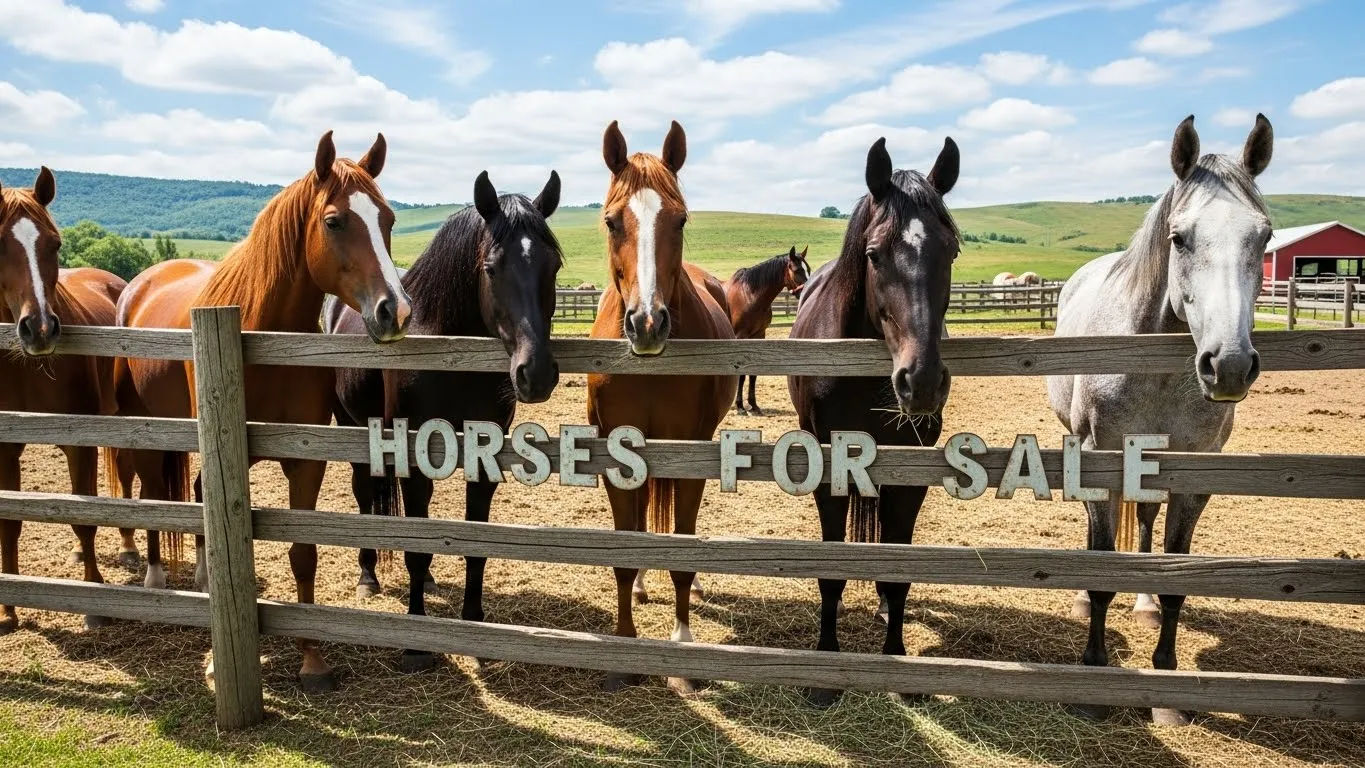
Right then—picture this: you’re scrollin’ through a feed o’ glossy Thoroughbreds with names like *‘Midnight Gambit’* and *‘Velvet Thunder’*, when—bam—there it is: *“ROR horses for sale”*. And your brain, bless it, goes: *“Blimey. Did that one just… *roar* at the farrier?”* Nope. (Well… *mostly* nope—though we *have* heard a gelding in Lambourn let out a proper lion’s growl when denied his favourite apple. True story.) **Ror horses for sale** stands for *Retired Racehorses*—specifically, those rehomed via the *Retraining of Racehorses* charity, the UK’s official Thoroughbred aftercare body. Think o’ it less as *“past their prime”* and more as *“career pivot, darling—now with 80% more jump and 100% less adrenaline rush before breakfast.”*
So What *Does* RoR Mean in Horse Terms—And Why’s It Got a Capital R, a Lowercase o, and Another Capital R? (Grammar Nerd Alert)
Ah, the *RoR* enigma—written like a secret code scratched into a stable door by moonlight. It’s not *ROR*. It’s not *Ror*. It’s *RoR*—*Retraining of Racehorses*, stylised like it’s a spy agency from a gritty BBC drama. And fair’s fair: it kinda *is*. These folk work undercover (mostly at point-to-points and livery yards), quietly matchin’ up ex-gallopers with humans who’ll love ‘em *after* the roar o’ the crowd fades. Officially, **RoR horses for sale** means any Thoroughbred registered with the Jockey Club *and* entered into the RoR database—complete with racing record, vet history, and—crucially—a *‘temperament notes’* field that once included *“likes Polo mints, hates traffic cones, will argue philosophy if offered tea.”* (We’re not makin’ that up.)
What Makes a Horse RoR Eligible—And No, It’s Not Just ‘Ran Round a Track Once While Wearing a Silky Hat’?
Before you start eyein’ up that chestnut gelding with the *dramatic* eyelashes and think, *“He looks fast—I’ll call him RoR,”*—hold yer horses (pun *very* much intended). To qualify as a **RoR horse for sale**, three boxes *must* be ticked. Firstly: Jockey Club-registered Thoroughbred. No exceptions—not even if it *once* won a pub sprint in Newmarket (though respect). Secondly: must’ve had *at least one* official race start—or trial under rules—under a recognised racing authority (BHA, HRI, etc.). Thirdly—and this is the kicker—it must be *retired from racing*. Not *“on a wee break”*. Not *“thinking about it.”* Properly retired. Signed paperwork, microchip updated, jockey’s boots hung up. Once that’s done? The RoR database opens its arms—and its *‘Rehome Me’* portal—and the second act begins.
What Qualifies for RoR—Beyond the Obvious ‘Four Legs, a Tail, and a Grudge Against Starting Gates’?
Here’s where it gets *proper* nuanced. **RoR horses for sale** aren’t just OTTBs (*Off-the-Track Thoroughbreds*) wearin’ a fancy badge—they’re backed by a *support ecosystem*. Eligibility unlocks access to RoR-run retraining grants (£500–£1,200 for vetting, schooling, farrier work), subsidised clinics (*“From Furlongs to Fences”*, anyone?), and crucially—*RoR-approved assessors*. These aren’t just trainers; they’re ex-jockeys, vets, and behaviourists who’ve seen a horse do *everything*, from pirouette mid-gallop to fake a limp to avoid hill work. They produce a *Rehoming Profile*—not just *“quiet”* or *“forward”*, but *“quiet unless startled by umbrellas, then does a 270° spin and apologises with a nudge.”* That’s the gold standard. That’s what makes an RoR horse… *RoR*.
Would You Buy a Horse That Roars? (Spoiler: It’s Not About the Noise—It’s About the Story)
Alright, let’s address the *elephant*—or rather, the *lion*—in the stable. The question *“Would you buy a horse that roars?”* pops up more than you’d think… mostly ‘cos Google autocorrect’s got a sense o’ humour. But—fun fact—*‘roaring’* *is* a real equine condition: *laryngeal hemiplegia*, where the nerve to the left vocal fold weakens, causing a *whooping*, *roar-like* sound on inhalation. Some **RoR horses for sale** *do* have it—especially older geldings who gave their all on the track. And here’s the twist: *it’s often not a dealbreaker*. Mild cases? Barely noticeable at walk/trot, manageable at canter. Many go on to excel in dressage, hacking, even low-level showjumping. Severe cases? May need a *‘tie-back’* surgery (£2,500–£4,200), or be best suited to light work. But the *real* question isn’t *“Does it roar?”*—it’s *“Does it still *want* to try?”* And with RoR horses? Nine times outta ten? Oh, *absolutely*, love. They’re just chatty about it.
From Starting Gate to Schooling Ring: What *Actually* Happens in Retraining?
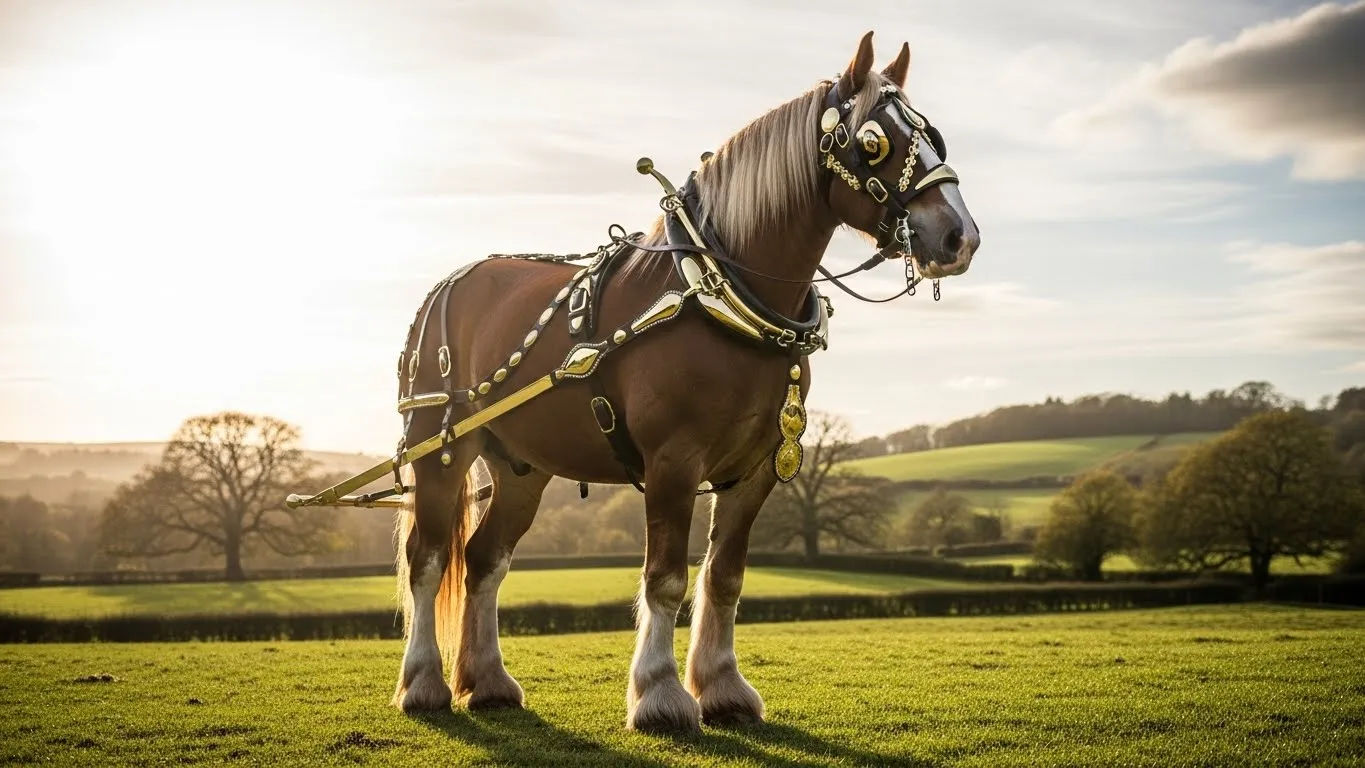
Retraining ain’t just stickin’ a snaffle on and sayin’ *“Right, now be a *nice pony*.”* Nah. Proper **RoR horses for sale** go through a *phased reset*: Phase 1 (*The Decompress*)—4–8 weeks of turnout, hand-walking, grooming, and *learning that humans aren’t just the ones who shout “GEE UP!”*. Phase 2 (*The Re-Education*)—long-reining, voice commands, reintroducing tack *without* panic. Phase 3 (*The Discovery*)—findin’ their *new* talent: some turn into *jumping lunatics*, some *dressage divas*, some just *excellent at standin’ still while you cry about your mortgage*. RoR-approved yards follow a *13-week syllabus*—but the best ones? They let the horse set the pace. One yard in Berkshire even plays *Radio 4* in the barn. Says it calms ‘em. We’re not judgin’. Much.
“They’re not broken. They’re bilingual—fluent in *racehorse* and learnin’ *human*.” — Cassie M., RoR assessor & former jump jockey, 2024
What’s the Damage, Then? How Much for an RoR Horse—And What’s *Really* Included?
Let’s talk brass tacks—or rather, *quid*. The price range for **RoR horses for sale** is *wildly* variable, ‘cos—like humans—past glory don’t always translate to present value. Unstarted 3-year-old who pulled up lame in their maiden? £800–£1,800. Proven jumper with 12 point-to-point starts, sound, educated, *and* loves children? £4,500–£7,200. Ex-Group performer, retired sound, handled by a top RoR trainer? Could hit £10,000+ (and yes, one sold last year for £12,500 to a lady in Surrey who just wanted “a horse with *gravitas*”). But—*massive* but—most come with extras: full vetting records, microchip & passport updated, RoR rehoming certificate, and—often—a *‘starter pack’*: 3 free lessons, a discount on rugs, and a signed photo o’ ‘em winning at Chepstow. Now *that’s* added value.
| Rehoming Tier | Typical Price (GBP) | What’s Usually Included |
|---|---|---|
| Project Horse | £800–£2,200 | Basic vetting, microchip, RoR reg, temperament summary |
| Part-Started | £2,500–£4,500 | + 4–8 wks retraining, ridden assessment video, farrier history |
| Competition Ready | £4,800–£9,000+ | + RoR Show Pass, 3 competition outings, saddle fit consult |
The ‘Roar’ Myth vs. Reality: Debunking Four Things You’ve *Definitely* Heard at the Tack Shop
Right. Time for a lil’ myth-busting—over a cuppa, o’ course. One: *“All RoR horses are hot.”* Bollocks. Sure, some are *sparky*—but many older geldings are *chill* as a cucumber in a fridge. Two: *“They’ll never stand still.”* Tell that to *‘Sir Sipsalot’*, a 16.1hh ex-sprinter now used as a *therapy mount* who dozes off mid-session. Three: *“They’re too skinny to keep weight.”* Nah—most just need *non-racing* feed (less starch, more fibre), and they’ll round out lovely. Four—and this one stings—*“They’re damaged goods.”* Ror horses for sale aren’t damaged. They’re *repurposed*. Like turnin’ a race car into a luxury tourer: same engine, softer suspension, better cupholders.
- ✅ True: Many learn *fast*—they’re used to clear, consistent cues.
- ✅ True: They bond *deeply*—once they trust you, you’re family.
- ❌ False: They *all* hate hacking out. (Most adore it—just keep ‘em away from *actual* racecourses.)
- ❌ False: You need to be an expert rider. (RoR’s got *Beginner-Match* listings—yes, really.)
Success Stories: When an RoR Horse Doesn’t Just Find a Home—It Finds a *Calling*
Let’s get poetic for a mo’. There’s *‘Noble Intent’*, a bay gelding who ran 32 times (never won, bless ‘im), now a Level 2 vaulting horse—kids *swear* he times his strides to their songs. There’s *‘Lucky Streak’*, retired after a tendon strain, now a *mounted police reserve* in Yorkshire (specialises in crowd calming—apparently he *leans in* when people cry). And then there’s *‘Whisper’*, a filly who refused to race *once*, deemed “untrainable”, now a *liberty dressage* star with 67K Instagram followers and her own line o’ organic hoof balm. These aren’t *second chances*. They’re *second acts*—and **RoR horses for sale** are the understudies who stepped into the spotlight and *stole the show*.
Where Do We Go from Here—And How Do You *Actually* Start Lookin’?
The path to bringin’ home an **RoR horse for sale** starts not with a credit card, but with a *conversation*. RoR’s *‘Find a Horse’* portal (ror.org.uk) lets you filter by location, height, experience level—even *“tolerance for dogs”* and *“opinion on bicycles”*. From there? Contact the rehomer, ask for the *full* profile (not just the glossy bits), and—*crucially*—go meet ‘em. Not once. Twice. Let ‘em see you in different light, hear your voice without pressure. And when you’re ready? The paperwork’s straightforward, the support’s ongoing, and the joy? *Off the scale*. Fancy takin’ the leap? Dive into the world’s best equestrian community at Riding London, explore our curated barns and success stories at Ranch, or compare breeds and values—from gritty gallopers to refined ponies—at Whickr Ponies for Sale: Quick Local Deals. Go on. Your next chapter’s waitin’—saddle up.
Frequently Asked Questions
What does RoR mean in horse terms?
RoR stands for *Retraining of Racehorses*—the UK’s official charity for rehoming and retraining retired Thoroughbred racehorses. When you see **ror horses for sale**, it means the horse is registered with RoR, has a verified racing history, and has undergone (or is undergoing) structured retraining for a second career—be it hacking, dressage, jumping, or even equine therapy. It’s not just a label; it’s a *guarantee of support and standards*.
What makes a horse RoR eligible?
To be eligible as a **RoR horse for sale**, three key criteria must be met: 1) The horse must be a Jockey Club-registered Thoroughbred; 2) It must have had at least one official race start or recorded trial under rules (BHA, HRI, etc.); and 3) It must be *formally retired* from racing—confirmed via BHA retirement notification. Once registered, the horse gains access to RoR’s retraining grants, assessor network, and rehoming platform. No shortcuts—just proper protocol.
What qualifies for RoR?
Beyond the basics, **RoR horses for sale** must be entered into the RoR database with full documentation—passport, microchip, racing record, and vet history. But here’s the *real* qualifier: commitment to *ethical transition*. RoR doesn’t just list horses; it *supports* them—via subsidised training, behaviour assessments, and post-placement check-ins. A horse “qualifies” when its rehomer follows RoR’s welfare-first framework—ensuring every **ror horse for sale** isn’t just *available*, but *ready*, in heart and hoof, for life after the track.
Would you buy a horse that roars?
If by *‘roars’* you mean the respiratory condition *laryngeal hemiplegia*—then yes, *absolutely*, depending on severity and your goals. Many mild-to-moderate cases live full, active lives in non-racing disciplines. RoR vets *always* disclose this upfront—and many **ror horses for sale** with ‘roaring’ come with surgical options or management plans. But if you mean *literally* roars like a lion… well, we’d *still* have a look—just maybe bring earplugs and a recorder. You never know—a viral career awaits.
References
- https://www.britishhorseracing.com/industry/retirement-and-rehoming
- https://www.rorehoming.co.uk/eligibility-criteria-for-rehoming
- https://www.vetstream.com/equis/laryngeal-hemiplegia-prognosis-in-thoroughbreds
- https://www.thefarmersjournal.ie/equine-career-transition-studies-2023