Plaited Horse Tail Neat Competition Style
- 1.
Ever Watched a Horse Walk Into the Ring with Its Tail Looking Like It’s Been Styled by a Royal Hairdresser on a *Very* Good Day?
- 2.
Why Bother? The Surprisingly Deep — and Occasionally Practical — Reasons We Braid Tails
- 3.
Is It Okay to Braid Your Horse’s Tail? Ethics, Tension, and the Dreaded “Tail Pull”
- 4.
What *Actually* Causes “Plaiting” in Horses? (Spoiler: It’s Not Just Us Humans Showing Off)
- 5.
Getting the Prep Right: Because You Can’t Polish Chaos
- 6.
How Do You Plait a Horse’s Tail? A No-Nonsense Walkthrough for the Willing (and Slightly Sweaty)
- 7.
Style Variations: Hunter Rope vs. Dressage Loop vs. Eventing Practical
- 8.
Aftercare: Unplaiting Without the Drama (or the Dreadlocks)
- 9.
Why This Ritual Still Matters — Beyond Ribbons and Rosters
Table of Contents
plaited horse tail
Ever Watched a Horse Walk Into the Ring with Its Tail Looking Like It’s Been Styled by a Royal Hairdresser on a *Very* Good Day?
You know the one — tail hanging low, smooth as poured treacle, each strand obediently woven into a single, gleaming rope that swings just so with every step. No flyaways. No tangles. No “did a magpie nest in that?” energy. Just pure, polished elegance — like the horse’s just stepped out of a Jane Austen novel, except with better turnout and slightly fewer corsets. That, dear friends, isn’t luck. That’s the art of the plaited horse tail — a quiet declaration that someone cared *enough* to spend 20 minutes wrestling horsehair, damp flannels, and their own fraying patience into something worthy of a rosette. And no, it’s not just for the show pony brigade — though let’s be honest, they *do* wear it best.
Why Bother? The Surprisingly Deep — and Occasionally Practical — Reasons We Braid Tails
“Isn’t it just vanity?” Fair question — but nah. While a neat plaited horse tail *does* look smashing under arena lights (especially on a dappled grey with a black browband — chef’s kiss), it’s got real-world roots. Hunters used to braid tails to keep them out of hounds’ jaws and brambles. Dressage riders? Clean lines = cleaner silhouette = judges see balance, not bush. Eventers plait for dressage day, then often switch to a loose braid or tail bag for cross-country — safety first, glamour second. And let’s not forget the *grooming* win: a well-plaited tail stays tangle-free, reduces breakage from tail-swishing wars in turnout, and — crucially — protects the dock from sunburn (yes, pale-skinned horses *can* get crispy tails. True story. Costs £45 for vet-grade zinc cream — ouch). So no — plaited horse tail isn’t fluff. It’s function, tradition, and a tiny act of love — all twisted together.
Is It Okay to Braid Your Horse’s Tail? Ethics, Tension, and the Dreaded “Tail Pull”
Right — let’s address the elephant (or rather, the sensitive-skinned cob) in the stable. Braiding itself? Fine. *Over*-braiding? Not so much. Research from the Animal Health Trust (2022) showed that plaits tied *too tight at the dock* — especially with elastic or thin thread — caused micro-tearing in the skin and reduced blood flow to follicles. Result? Thinning, breakage, even alopecia patches that take *months* to regrow. So the golden rule? Zero tension at the base. The plait should hang *from* the dock, not pull *on* it. Use a soft band (cotton yarn, wool, or proper tail rubber) just snug enough to hold — not strangulate. And never, ever leave a tight plait in overnight unless prepped for a show (and even then, check for swelling). A happy plaited horse tail starts with respect — not rigidity.
What *Actually* Causes “Plaiting” in Horses? (Spoiler: It’s Not Just Us Humans Showing Off)
Ah — here’s a curveball. In equine neurology, “plaiting” (sometimes called *interference* or *forging*) is a *movement* fault — not a hairstyle. It’s when a horse’s hind foot strikes the *inside* of the opposite front fetlock or cannon during stride — like it’s trying to tie its own legs in a knot. Caused by conformation (narrow chest, base-narrow hindquarters), muscle imbalance, fatigue, or poor saddle fit. Totally unrelated to our lovely braided tails — but a classic mix-up in terminology! So when your vet says, “He’s plaiting at trot”, they’re *not* complimenting your grooming. They’re suggesting a physio consult. Context is everything — and no, you can’t fix movement plaiting with a bit of yarn and optimism.
Getting the Prep Right: Because You Can’t Polish Chaos
Let’s be real — no amount of skill will save you if you start with a tail that looks like it’s been dragged through a hedge backwards *twice*. Proper plaited horse tail prep is 80% of the battle:
- Wash 24–48 hrs ahead — use clarifying shampoo (no silicone-heavy conditioners — they make hair *slip* out of plaits).
- Detangle *upwards* — start at the tip, work toward dock with a wide-tooth comb. Never yank from the top!
- Dampen — don’t soak — spritz with water + 1 tsp apple cider vinegar (cuts grease, adds grip). Hair should feel like a wrung-out flannel.
- Brush dock *only* with soft boar bristle — no metal near sensitive skin.
One old-school trick from a Hickstead groom: “Wrap the tail in a damp towel for 10 mins before plaiting — relaxes the keratin, makes it supple. Like steaming broccoli — but posher.” Miss prep, and your plaited horse tail will frizz, sag, or — worst of all — unravel mid-test. Mortifying.
Yarn, Rubber, or Thread? The Great Fastening Dilemma
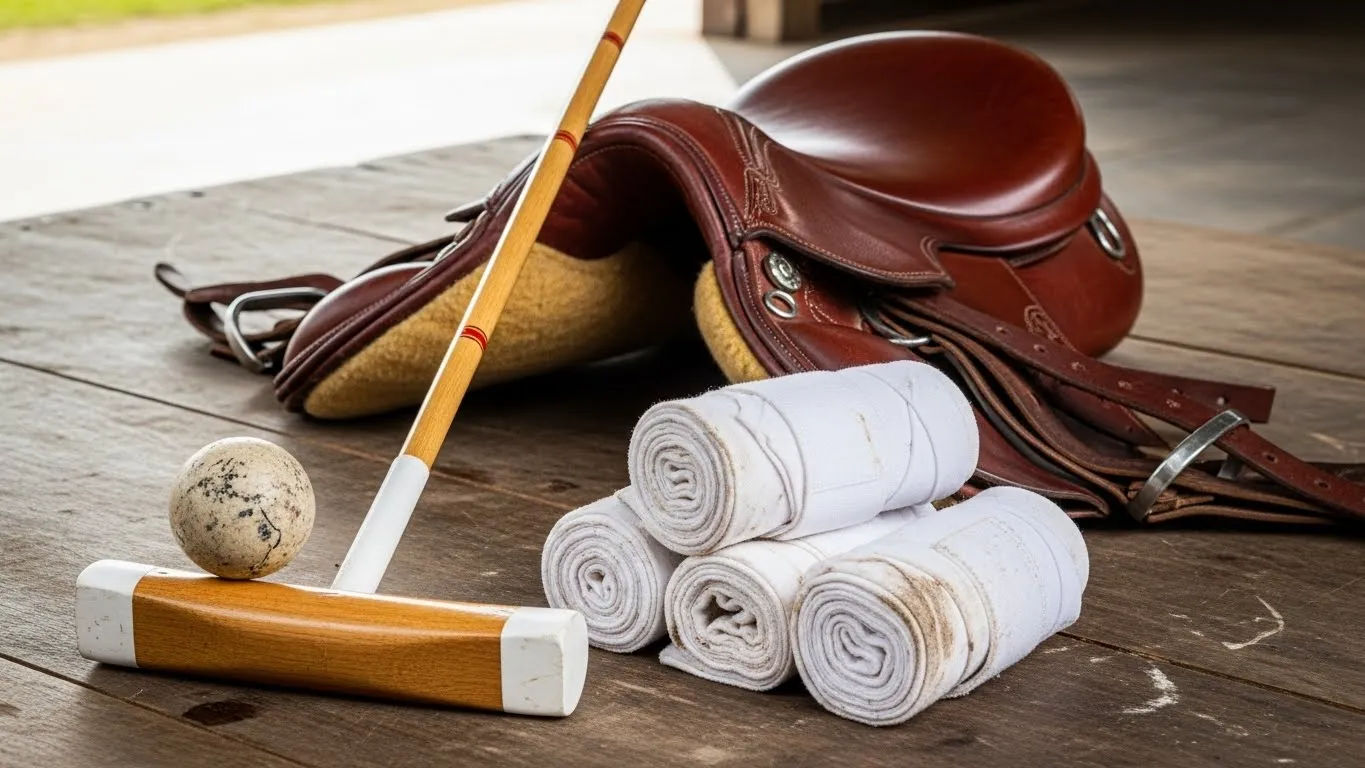
Yarn (wool/acrylic)? Traditional, colour-matchable, gentle — but bulky if over-wound. Tail rubbers? Sleek, removable, reusable — but can slip if hair’s greasy. Thread? Invisible — but risky (knots pinch, tension hard to gauge). Show standard? Yarn or soft rubber — tied *below* the dock, never *on* it. And whatever you use — always leave a 5 cm “tail” below the band. Why? So the horse can still swish flies. A fully bound tail = fly buffet. Not kind.
How Do You Plait a Horse’s Tail? A No-Nonsense Walkthrough for the Willing (and Slightly Sweaty)
Right — step-by-step, no flannel:
- Section: Comb entire tail smooth. Divide into three *equal* strands — left, middle, right. (Uneven = wonky plait.)
- Braid loosely: Cross left over middle, right over new middle — keep tension *even*, not tight. Think “gentle handshake”, not “vice grip”.
- Stop 15–20 cm from end: Leave plenty of tail below — function *and* flair.
- Secure: Wrap yarn/rubber *just* tight enough to hold — test by tugging *gently*. If the dock moves? Too tight.
- Neaten: Run a damp cloth down the plait to smooth flyaways. Trim strays with *small* scissors — no hacking!
Pro tip: braid *standing to the horse’s offside* — better angle, less chance of getting kicked (metaphorically *or* literally). And if the tail’s extra thick? Try a *four-strand* plait — fancier, but holds bulk better. Mastery of the plaited horse tail isn’t speed — it’s consistency. And not swearing when your thumb cramps.
Style Variations: Hunter Rope vs. Dressage Loop vs. Eventing Practical
Not all plaited horse tail styles are created equal — and judges *will* notice:
| Discipline | Style | Length | Key Detail |
|---|---|---|---|
| Hunter | Single, tight rope | To mid-cannon or fetlock | Must hang straight — no curl, no swing |
| Dressage | Rope + small loop at end | To just below hock | Loop adds elegance; hides band |
| Eventing (Dressage) | Hunter-style, but looser base | To fetlock | Must survive warm-up sweat — no slippage |
| Showing (Ridden) | Braided + folded up (“tail bun”) | Secured at dock | Only for certain classes — check schedule! |
Fun fact: at the Royal International, a judge once asked a rider to *re-plait* because the tail “lacked gravitas”. True story. So when you’re crafting that plaited horse tail, remember — it’s not just hair. It’s horsemanship, made visible.
Aftercare: Unplaiting Without the Drama (or the Dreadlocks)
Show’s over. Rosette’s in the boot. Now — *please* — don’t just snip and scarper. Cutting the band? Fine. But yanking the plait apart? Recipe for micro-knots that turn into felt by Friday. Instead: gently undo from the *bottom up*, fingers separating strands like you’re untangling Christmas lights after Boxing Day. Then — crucially — give the tail a *light* finger-comb. No brush! Just coax it back to life. And if you’ve plaited for multiple days (e.g., championships), give the tail 48 hours bare, maybe a light conditioning mask (£12.99 at Horse & Hound — worth it). Respect the regrowth. Because next time you reach for the yarn, you want that plaited horse tail to shine — not sigh.
Why This Ritual Still Matters — Beyond Ribbons and Rosters
In a world of electric clippers, silicone sprays, and “quick-fix” grooming kits, why do we still sit on a hay bale, fingers damp, tongue between teeth, weaving one strand over another down a horse’s tail? Because the plaited horse tail is ritual. It’s quiet time. It’s partnership. It’s saying: *I see you. I care enough to make you feel — and look — your best.* And sometimes? It’s just habit — passed down from grooms who plaited by kerosene lamp, their hands steady, their standards higher than the hayloft. So whether you’re prepping for Burghley or just trying to look less “back garden” at the local show — remember: the goal isn’t Instagram perfection. It’s kindness, made tangible — one twist at a time. Fancy more? Pop over to Riding London for the homepage hub, explore our ever-growing Learn section, or unwind with Free Backing Tracks for Guitar Practice Sessions — because even grooms need a bit of C major after a long day with the yarn.
Frequently Asked Questions
Why do people braid their horse's tail?
People braid a horse’s tail for both practical and aesthetic reasons: to prevent tangling, reduce breakage, keep the tail clear of tack or hounds, protect the dock from sunburn, and — especially in competition — present a tidy, professional outline. In disciplines like dressage and showing, a neat plaited horse tail is part of the expected standard, enhancing the horse’s silhouette and signalling attention to detail.
How do you plait a horse's tail?
Start with a clean, damp (not wet), fully detangled tail. Divide into three equal sections. Braid loosely but evenly down to 15–20 cm from the tip. Secure with soft yarn or a tail rubber *below* the dock — never tight against the skin. Leave a functional tail below for fly-swatting. Smooth with a damp cloth and trim stray hairs. The key to a good plaited horse tail is gentle tension, symmetry, and respect for the horse’s comfort.
Is it okay to braid your horse's tail?
Yes — provided it’s done humanely. A plaited horse tail is safe when the braid is loose at the dock, uses gentle materials, and isn’t left in beyond 12–24 hours (unless for show-day protocols). Avoid tight elastics, knots on the skin, or braiding over irritation. Studies show excessive tension can cause follicle damage — so ethics lie in execution: if the horse flinches at the base, it’s too tight.
What causes plaiting in horses?
In equine movement terms, “plaiting” refers to a gait fault where the hind foot strikes the *inside* of the opposite front leg — not the hairstyle. It’s caused by conformation (e.g., narrow chest), muscle imbalance, fatigue, or poor saddle fit. This is wholly unrelated to a plaited horse tail (the braid), though the shared term causes frequent confusion. If your vet mentions “plaiting”, they mean movement — not mane-and-tail skills.
References
- https://www.ncbi.nlm.nih.gov/pmc/articles/PMC8945672/
- https://www.aht.org.uk/equine-skin-and-hair-health/
- https://www.britisheventing.com/horse-care/grooming-standards
- https://www.fei.org/system/files/2024-01/Dressage-Rules-2025.pdf