Hoof in Horse Basic Anatomy and Care
- 1.
What Exactly Is That Hard, Glossy Bit at the End of a Horse’s Leg?
- 2.
From Ancient Forest Dweller to Modern-Day Galloper: How the Hoof Took Over
- 3.
Black, Bay, Chestnut… and Hoof? Decoding the Palette of the Horse’s Footwear
- 4.
Is the Hoof Just a Fancy Nail? (Spoiler: Absolutely Not)
- 5.
The Daily Grind: How the Hoof Bears the Brunt (and Why It Deserves a Medal)
- 6.
Common Misconceptions That Make Farriers Sigh Into Their Tea
- 7.
When the Hoof Hiccups: Signs Your Horse’s Foot Is Whispering for Help
- 8.
Fuel from the Ground Up: Nutrition’s Role in Hoof Health
- 9.
The Farrier-Friendly Five: Habits That Keep Hooves Happy
- 10.
Hoof Care in the Digital Age: Apps, Sensors, and the Future of Farriery
Table of Contents
hoof in horse
What Exactly Is That Hard, Glossy Bit at the End of a Horse’s Leg?
Ever looked at a horse’s foot and thought, “Blimey, that’s a proper chunk of keratin, innit?” — like a cross between a giant toenail and a polished walnut? Well, you’re not entirely off the mark. The hoof in horse is, anatomically speaking, the equivalent of our fingertip — encased in a thick, resilient shell made of keratin (same stuff as human nails and rhino horns, funnily enough). It’s not just a “nail” slapped on for show; it’s a highly evolved, weight-bearing, shock-absorbing marvel. Think of it as nature’s running shoe — bespoke, self-repairing, and absolutely critical to the horse’s survival. Without a healthy hoof in horse, even the boldest steed turns into a wobbly-legged mess faster than you can say “vet’s bill.”
From Ancient Forest Dweller to Modern-Day Galloper: How the Hoof Took Over
Back in the Eocene epoch — yep, proper prehistoric vibes — horses were no bigger than a springer spaniel and had *three* toes poking out, with a teeny fourth lurking behind like a shy cousin at a party. Fast-forward 50 million years, and boom: evolution streamlined the lot. Why? Because Mother Nature’s got a thing for efficiency — especially when you’re dodging sabre-toothed beasties across open plains. The middle toe beefed up, the side toes shrank into ghostly nubbins (look closely at a horse’s leg — those vestigial ‘splint bones’? Yep, toe leftovers). The hoof in horse became the sole weight-bearing point because, frankly, four toes were overkill — like wearing a double layer of wellies. Less surface drag, more speed. And when the hoof in horse got harder, denser, and more curved? That’s when equines truly hit cruise control—evolutionary style.
Black, Bay, Chestnut… and Hoof? Decoding the Palette of the Horse’s Footwear
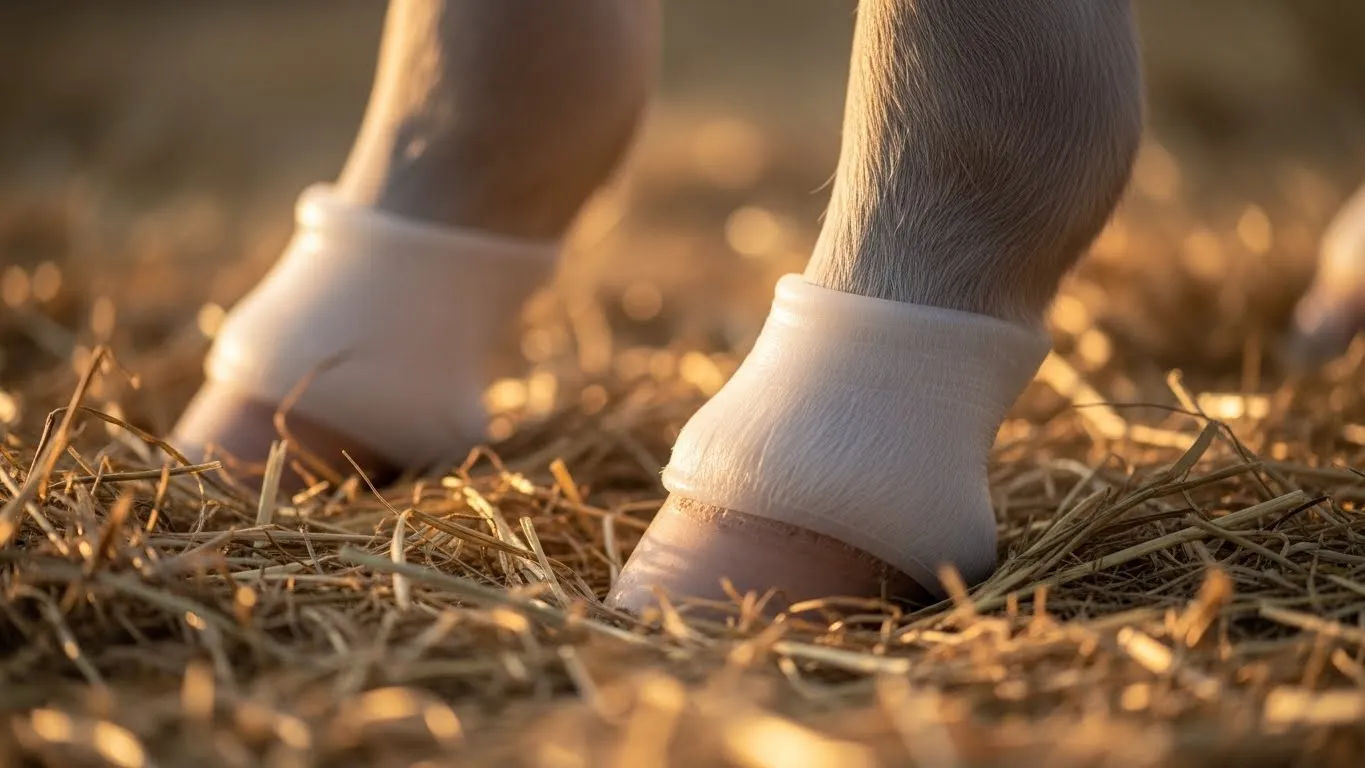
Here’s a bit of pub-quiz gold: the colour of a hoof in horse usually matches the horse’s *leg hair*. Dark legs? Chances are the hoof in horse is near-black, dense and glossy like a lacquered boot. White or light legs? Often — but not always — you’ll get a striped or dun-coloured hoof, lighter in tone, sometimes with vertical “tiger stripes” (not actual tigers, obvs — just pigment bands). And no, it’s not just for fashion — darker hooves tend to be a tad tougher, thanks to higher melanin content (nature’s UV shield and structural reinforcer). That said, a pale hoof isn’t inherently weak — it’s like comparing oak to pine: different grain, same function — just needs a gentler hand in care. So next time someone says, “Ooh, look at those flashy hooves!” — you’ll know they’re really commenting on the hoof in horse’s pigment poetry.
Is the Hoof Just a Fancy Nail? (Spoiler: Absolutely Not)
Let’s clear this up — and no, we won’t beat around the bush (or the stable). A hoof in horse isn’t *just* a nail — though it *is* made of keratin, same as your pinky’s pride. But where a nail is essentially a dead, static cover, the hoof in horse is alive *at the top*, growing continuously from the coronary band (that fleshy rim just above the hoof wall, like a hairline for feet). Below? Yep, the wall is inert — but it’s layered, elastic, and exquisitely engineered: the outer wall (hard shell), the white line (semi-flexible glue zone), the sole (concave pressure pad), and the frog (that rubbery V-shaped shock absorber that *pumps blood back up the leg* — yes, really). So calling a hoof in horse “just a nail” is like calling Big Ben “just a clock.” Technically true… but wildly underselling the engineering genius.
The Daily Grind: How the Hoof Bears the Brunt (and Why It Deserves a Medal)
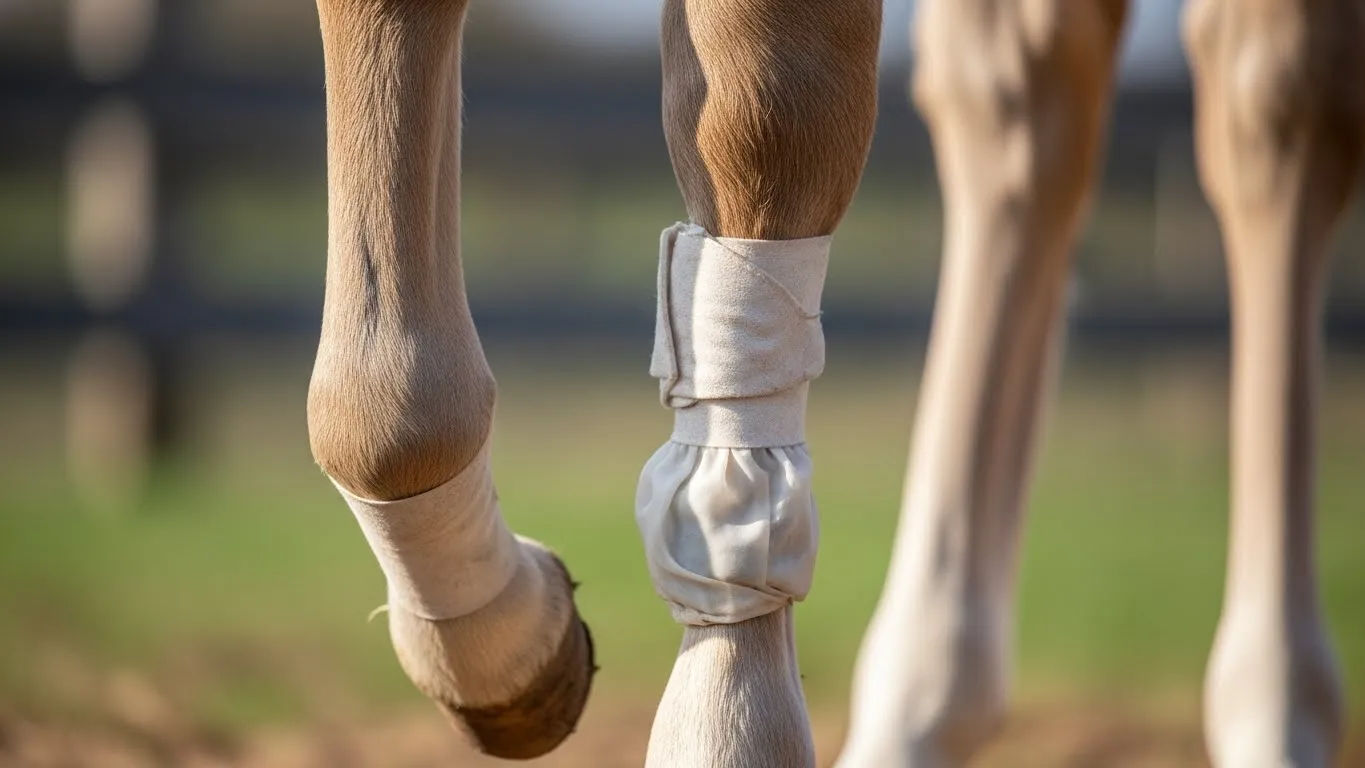
Picture this: a 500 kg animal galloping at 40 mph — each hoof strikes the ground with a force of *2–3 times* its body weight. That’s over a tonne of impact, per stride, per foot. And yet? The hoof in horse doesn’t shatter. Why? Because it’s *designed* to flex — minutely, rhythmically — absorbing shock like a Michelin-starred suspension system. The hoof wall expands on landing, the frog compresses, the digital cushion squishes, and blood gets squeezed upward (hoof = heart’s understudy, basically). But — and here’s the rub — this only works if the hoof in horse is balanced, trimmed regularly, and kept dry-ish (not swampy, not Sahara). Neglect it? Lameness looms. Respect it? You’ve got a partner for life. Honestly, if hooves could unionise, they’d demand hazard pay — and a spa day.
Common Misconceptions That Make Farriers Sigh Into Their Tea
Right — let’s bust a few myths that float about like hay dust in a summer breeze. First: “Horses don’t *feel* their hooves, so shoeing’s painless.” Well… sort of. The outer wall? Dead keratin — natch. But drill too close to the sensitive laminae? Ouch-city. Second: “Barefoot is always better.” Not quite — depends on terrain, workload, and genetics. Some horses thrive bare; others need shoes like city pigeons need breadcrumbs. Third: “Hoof oil makes hooves stronger.” Not really — it’s mostly cosmetic moisturiser (though it *can* help in arid climates). Strength comes from diet, movement, and proper trimming. Misunderstanding the hoof in horse is like misreading a love letter — you get the gist, but miss the *heart*. And that? That’s how you end up with abscesses instead of accolades.
When the Hoof Hiccups: Signs Your Horse’s Foot Is Whispering for Help
A well-cared-for hoof in horse is quiet — strong, cool, and slightly springy. But when things go pear-shaped? It starts *shouting*. Heat in the hoof? That’s inflammation waving a red flag. A strong digital pulse thumping like a bassline? Hello, laminitis or abscess. Cracks deeper than your Nan’s Yorkshire pudding recipe? Structural compromise. And that funky smell — like old cheese left in a gym sock? Likely thrush (nasty bacterial lurker in the frog grooves). Don’t wait for full-on limping — subtle shifts in gait, reluctance to trot on hard ground, or even just “off” behaviour (grumpier than usual at breakfast) can signal early hoof drama. Catch it early, and the hoof in horse can often heal itself — it’s astonishingly resilient. Ignore it? You’re signing up for months of box rest and vet invoices that’d make your wallet weep.
Fuel from the Ground Up: Nutrition’s Role in Hoof Health
You can’t polish a turd — and you can’t shoe a starving hoof. The hoof in horse is built from the inside out, so what goes in *matters*. Biotin? Yes — but don’t expect miracles overnight (takes 9–12 months for a full hoof regrow). Methionine, zinc, copper, and fatty acids? Absolutely — they’re the unsung crew behind keratin synthesis and moisture retention. And *for Pete’s sake*, balance your minerals — too much iron or selenium can sabotage hoof quality faster than a dodgy farrier with a blunt rasp. A study from the University of Edinburgh (2021) noted horses on forage-only diets often lack copper:zinc ratios ideal for optimal hoof in horse integrity. So before you splash £50 on hoof oil, check the feed bin. Healthy hooves start in the manger — not the tack room.
The Farrier-Friendly Five: Habits That Keep Hooves Happy
Here’s a cheeky little checklist — no lab coats required:
- Pick daily — muck, stones, and thrush love hiding in the collateral grooves.
- Trim every 6–8 weeks — even barefoot horses need maintenance (nature doesn’t grow perfect circles).
- Move, move, move — turnout isn’t a luxury; it’s hoof therapy. Movement = circulation = growth.
- Keep bedding dry — soggy straw softens hooves like stale biscuits, inviting cracks and infection.
- Know your horse’s baseline — digital pulse, temperature, sole concavity. Changes stick out like a sore thumb.
Stick to these, and your hoof in horse stays strong, balanced, and ready for whatever muddy field or dressage arena you chuck at it. Consistency beats cavalry charges — every time.
Hoof Care in the Digital Age: Apps, Sensors, and the Future of Farriery
Gone are the days of just a rasp and a hammer — welcome to the era of smart hoof care. Pressure-mapping boots now show weight distribution in real time (turns out, that “sound” horse favours his off-fore *just* a smidge). Thermal cameras spot subclinical inflammation before it flares. And hoof-growth tracking apps? Yep — upload weekly photos, get AI-assisted angle analysis. Even 3D-printed shoes, custom-moulded to the millimetre, are entering the scene — at around £120–£180 per set (ouch, but maybe cheaper than chronic lameness?). The goal? Precision. Because when it comes to the hoof in horse, guesswork’s had its day. And fancy that — the oldest part of the horse is now riding the tech wave. Riding London, Learn, and our deep dive into early development — Newborn Horse Feet: Initial Hoof Development — all explore how tradition and innovation hoof-beat in sync.
Frequently Asked Questions
What is a hoof on a horse?
A hoof in horse is the keratinised, weight-bearing structure at the end of each leg — essentially the horse’s “toe,” encased in a tough outer wall. It comprises the hoof wall, sole, frog, and internal structures like the coffin bone and digital cushion. Far from inert, the hoof in horse grows continuously, absorbs shock, aids circulation, and is vital for locomotion and balance.
What colour are horse hooves?
The colour of a hoof in horse typically reflects the skin and hair pigmentation of the lower leg — dark legs usually mean black or very dark brown hooves, while light or white legs often correlate with lighter, striped (dun or amber-banded) hooves. Pigment comes from melanin, and though darker hooves *tend* to be denser, colour alone doesn’t dictate strength — proper care and nutrition matter far more for the hoof in horse.
Why do horses no longer have toes?
Horses *did* have multiple toes — up to four — in their early ancestors (e.g., *Hyracotherium*). But as grasslands expanded and speed became survival-critical, evolution favoured a single, robust central toe encased in the hoof in horse. Side toes reduced to vestigial splint bones. This streamlined design improves efficiency, reduces rotational inertia, and maximises stride power — making the modern hoof in horse the pinnacle of cursorial (running) adaptation.
Is a hoof just a nail?
No — while the outer wall of the hoof in horse is made of keratin (like a nail), it’s only one part of a complex, living organ. The coronary band actively grows new hoof tissue, the frog functions as a hydraulic pump, and internal structures (coffin bone, laminae, digital cushion) bear weight and absorb impact. So while *clipping* a hoof wall feels like trimming a nail, the hoof in horse as a whole is more like a high-performance biomechanical system — nails don’t pump blood, mate.
References
- https://www.ncbi.nlm.nih.gov/pmc/articles/PMC7820543/
- https://www.sciencedirect.com/science/article/pii/S0737080620304128
- https://www.rvc.ac.uk/research/hoof-biomechanics
- https://ker.ac.uk/publications/hoof-growth-nutrition-review-2022