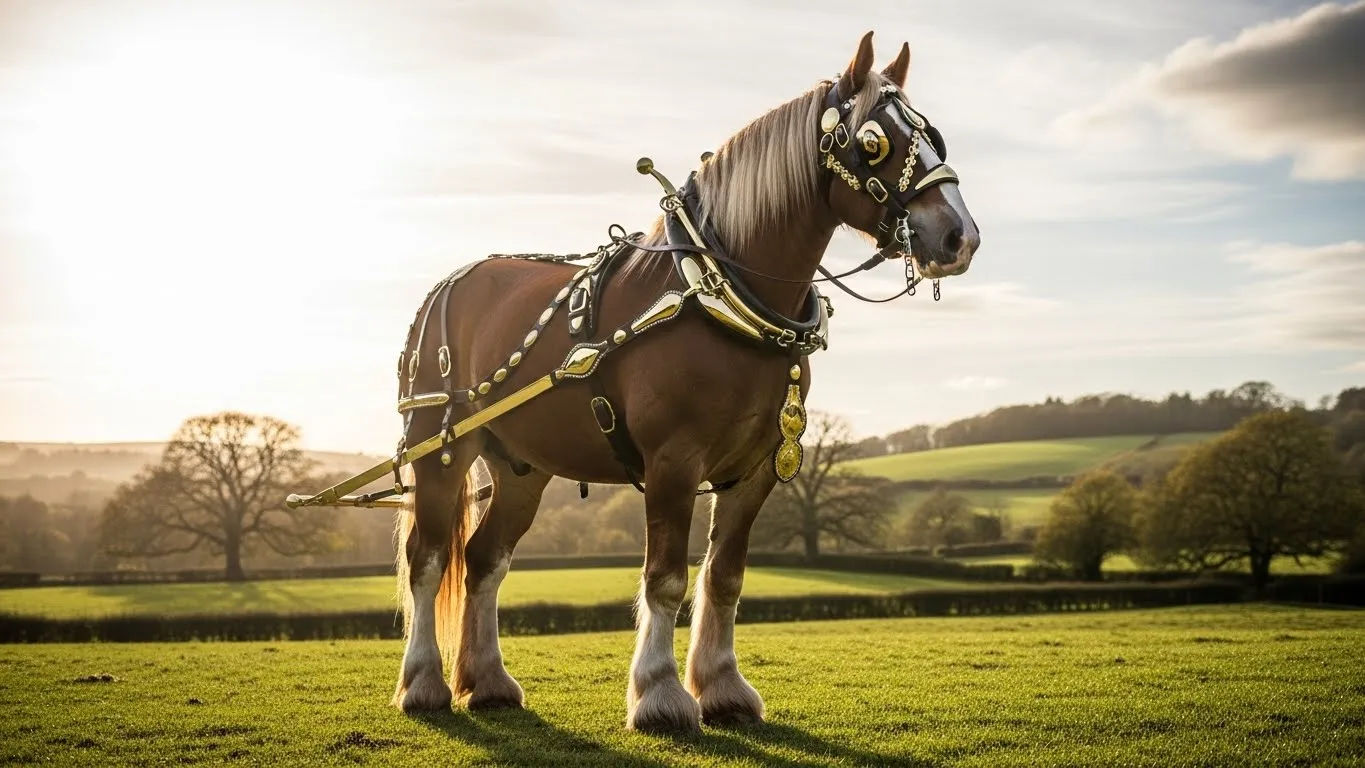
Horse Coat Color Chart Visual Identification
- 1.
What Makes a Horse’s Coat So Mesmerising? A Quick Gallop Through Genetics and Glow
- 2.
From Dun to Dapple: The Core Palette of Equine Elegance
- 3.
Beyond the Basics: When Genes Go Off-Script and Paint Outside the Lines
- 4.
Patterns and Patches: Where Chaos Meets Couture
- 5.
Roan, Grey, and the Art of Ageing Gracefully (or Dramatically)
- 6.
What *Actually* Determines a Horse’s Coat Color? (Spoiler: It’s Not Just Mum and Dad Chatting Over Hay)
- 7.
Statistically Speaking: How Common (or Rare) Is That Shade, Then?
- 8.
Beauty Is in the Eye of the Beholder… But Some Colours Do Tend to Steal the Show
- 9.
Beyond Colour: The 7 Levels of Equine Classification (Because We Love a Good Taxonomy)
- 10.
Why Bother with a Horse Coat Color Chart? Practical Magic for Breeders, Buyers, and Dreamers Alike
Table of Contents
horse coat color chart
What Makes a Horse’s Coat So Mesmerising? A Quick Gallop Through Genetics and Glow
Ever stared at a horse and thought, “Blimey, that’s not just a horse — that’s a walking oil painting”? You’re not daft. A horse’s coat isn’t just fluff and shine — it’s a genetic tapestry, spun across millennia, dipped in sunlight, and brushed by evolution’s own hand. The horse coat color chart we pore over today? That’s not some fancy pub quiz sheet — it’s a decoder ring for equine ancestry, adaptation, and, let’s be honest, pure aesthetic witchcraft. Every shade, from flaxen to sooty black, whispers a tale of migration, survival, and selective human tinkering. Some genes shout (looking at you, dominant black), others murmur in the background (recessive chestnut, always playing hard to get), and still others — like the splashy pinto or frosty silver dapple — wink at us like they’ve nicked glitter from a fairy’s stash.
From Dun to Dapple: The Core Palette of Equine Elegance
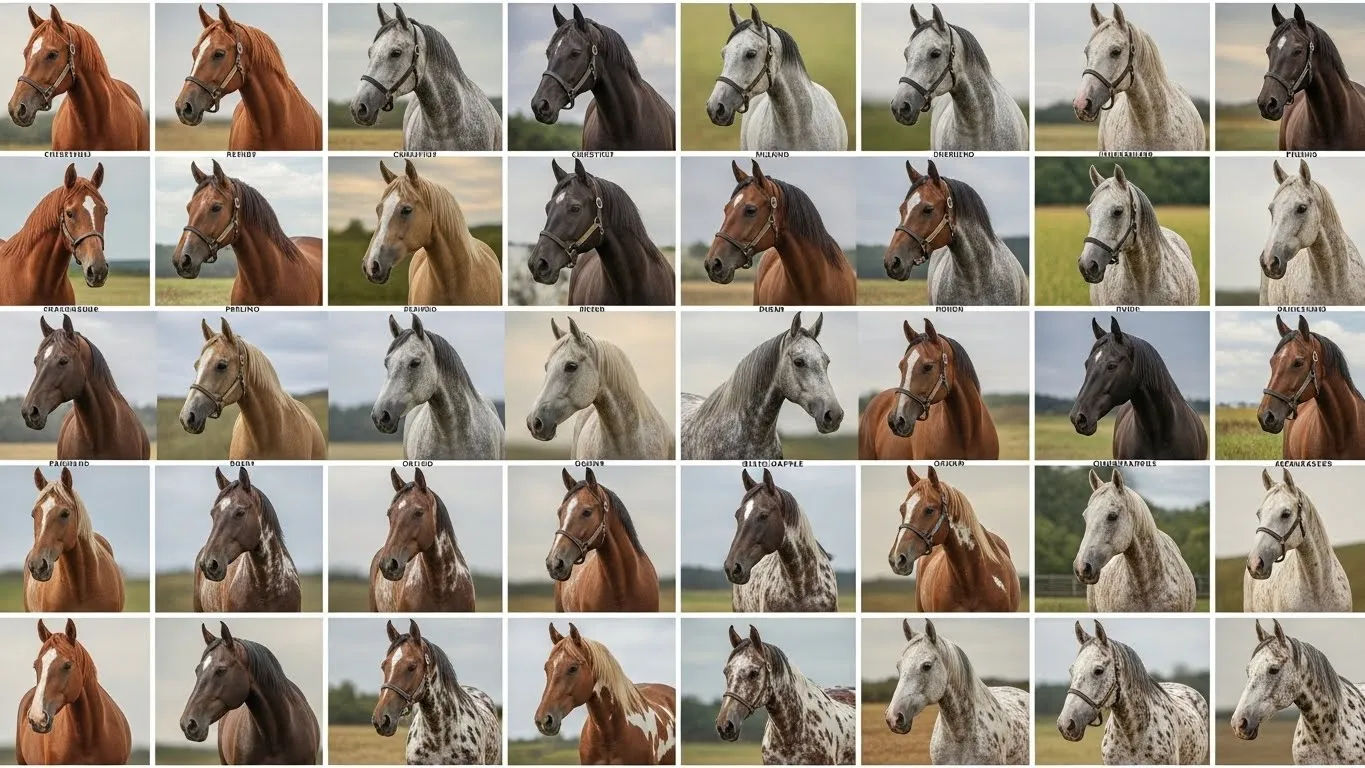
Right then — let’s crack open the horse coat color chart like a proper Sunday roast. The basics first: black, bay, chestnut. Think of them as the salt, pepper, and thyme of the equestrian kitchen — foundational, essential, and deceptively complex. Black? Not just ‘black’ — it’s either true black (E/E or E/e with a/a agouti suppression) or fading black (sun-bleached to that moody brownish hue by August). Bay’s got that rich red body with black points — legs, mane, tail, ear rims — like a posh gent in riding boots and a velvet cravat. Chestnut? Ah, the ever-charming ginger — from pale sorrel to deep liver, it’s all red pigment, no black hiding anywhere. Not even in the socks. These three sit at the top of the horse coat color chart like the elders of a very stylish tribal council.
Beyond the Basics: When Genes Go Off-Script and Paint Outside the Lines
Now, strap in — things get *interesting*. Once you layer dilution genes, modifiers, and patterns on top of those base colours, the horse coat color chart starts looking like a Jackson Pollock sketch after a pub crawl. Cream gene? One dose gives you palomino, buckskin, or smoky black. Two doses? Hello, cremello, perlino, and smoky cream — the pastel princes and princesses of the paddock. Dun gene adds primitive markings — dorsal stripe, leg barring, shoulder shadow — and softens the base: bay dun, red dun, grullo (that haunting mouse-grey dun black). Then there’s silver dapple, which turns black pigment into chocolate and flaxen, like someone swapped the horse’s mane with a spun-sugar wig. And don’t even get us started on champagne — that metallic sheen, freckled skin, and hazel eyes? Straight-up alchemy. All these variants? They’ve got dedicated slots on any decent horse coat color chart, sorted by genotype, not just ‘ooh, shiny’.
Patterns and Patches: Where Chaos Meets Couture
Right-o — time for the rebels. The piebalds. The overo oddballs. The tovero trendsetters. When we talk about spotting *patterns*, we’re not just doodling — we’re diving into lethal white syndrome risks, frame overo genetics, and the sheer, unapologetic *joy* of a tobiano flipping its tail like it owns the postcode. Tobiano’s the tidy one — white crosses the spine, legs often white, head mostly dark. Overo’s messier — white *doesn’t* cross the back, flashy face markings, and — crucially — carries that OLWS risk if two carriers mate. Then there’s sabino: high white, roaning edges, sometimes just a few socks and a star… sometimes 95% white with speckled skin. And don’t forget splashed white — like the horse dipped its chin in a bucket of milk and shook its head *violently*. These aren’t ‘colours’ per se — they’re *arrangements*, and any modern horse coat color chart worth its salt will separate base colour from pattern overlay. Because, frankly, a bay tobiano and a chestnut overo may look like cousins at a family BBQ — but genetically? They’re chalk and cheese.
Roan, Grey, and the Art of Ageing Gracefully (or Dramatically)
Ah, the transformation artists. Roan? That’s *intermingled* white hairs — stable from foalhood, not progressive. Strawberry roan (chestnut + roan), blue roan (black + roan), bay roan — all keep their base points, just soft-focus the body like a dreamy Instagram filter. Grey, though? Grey’s the show-off. Born dark — black, bay, chestnut — then *slowly*, gloriously, turns white. Frost grey, dappled grey, fleabitten grey (those darling rust-speckles), rose grey… it’s like watching a masterpiece fade into a silverpoint sketch over ten years. And yes — it’s dominant. One copy? You’re going grey, my friend. Two? Same result, just maybe quicker. Fun fact: most ‘white’ horses at shows? They’re not albino. They’re just very committed greys. Always double-check your horse coat color chart before calling that 20-year-old ‘snowy’ a true white — odds are, he’s just a grey who finished his metamorphosis.
What *Actually* Determines a Horse’s Coat Color? (Spoiler: It’s Not Just Mum and Dad Chatting Over Hay)
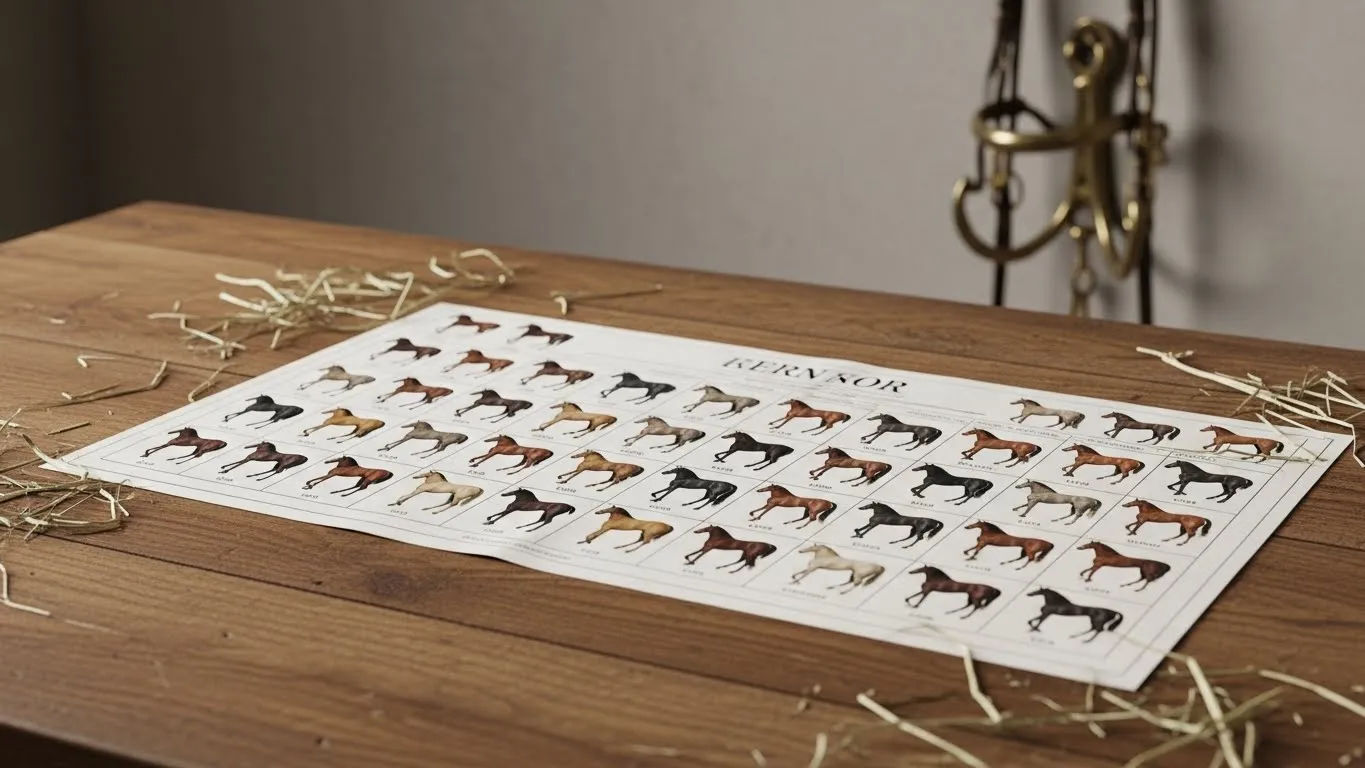
Right — let’s get nerdy for a tick. A horse’s coat colour is dictated by a *combination* of genes at specific loci. The big players? Extension (E/e): controls black vs red pigment. Agouti (A/a): restricts black to points (making bay) or lets it run wild (black). Cream (Cr): dilutes red and/or black. Dun (D/d): adds primitive markings and dilutes body. Grey (G/g): progressive depigmentation. Silver (Z): dilutes black pigment, especially in mane/tail. And that’s before we hit the pattern genes — Frame (O/o), Tobiano (TO/TO), Sabino-1 (SB1), etc. It’s like a genetic bingo card — and when two horses mate, they each toss in one allele per locus. So a bay mare (E/e A/a) and a black stallion (E/E a/a)? Offspring could be black, bay, or chestnut — depending on which cards get dealt. That’s why the horse coat color chart isn’t just pictures — the proper ones include genotype keys. Because colour alone? Sometimes it’s a bluff.
Statistically Speaking: How Common (or Rare) Is That Shade, Then?
Fancy some numbers? Grab a cuppa. Based on global registries and breed averages (mostly Thoroughbreds, Quarter Horses, Warmbloods — data’s patchy for feral herds, mind):
| Coat Colour/Pattern | Approx. Frequency | Notes |
|---|---|---|
| Chestnut | 35% | Most common base — especially in TBs |
| Bay | 30% | Close second — dominant in many draft breeds |
| Black | 10% | True non-fading black? Rarer — ~3% |
| Grey | 8% | Climbs in breeds like Lipizzaners & Andalusians |
| Palomino/Buckskin | 7% | Cream dilutes — popular in QH & Paints |
| Tobiano | 5% | Most common pinto pattern |
| True White (W/W or W/w) | <0.1% | Not grey — born white, pink skin, dark eyes |
| Brindle | Rarer than hen’s teeth | ~10 confirmed cases worldwide — somatic mutation |
So when someone asks, “What’s the rarest horse coat color?” — well, technically? Brindle. It’s not a gene you inherit cleanly — it’s a somatic mosaic, like tiger stripes on a pony. Looks unreal. Photos get called ‘Photoshopped’ on forums. There’s one named ‘Tiger’ in the US — registered Paint, stripey as a road cone. Absolute unicorn. (Pun intended… sort of.) But if we’re talking *viable, heritable* colours? Then true white (dominant white alleles W1–W35 etc.) and sabino-white homozygotes take the biscuit. And yes — they *do* belong on any exhaustive horse coat color chart, even if you’ll likely never see one in the flesh.
Beauty Is in the Eye of the Beholder… But Some Colours Do Tend to Steal the Show
“What’s the prettiest horse coat color?” — ask ten people, get twelve answers (two’ll be arguing). But poll the show rings, the Instagram reels, the art galleries… and certain hues keep cropping up. Akhal-Teke metallic golds? Pure liquid sunset. Silver dapple black? Like a Victorian gentleman dipped in mercury. Fleabitten grey? Dignified, speckled, quietly regal — like a judge who races pigeons on weekends. And champagne gold with amber eyes? Not just pretty — *hypnotic*. One studbook even reports champagne foals causing traffic jams at foaling barns (allegedly). But here’s the kicker: prettiness isn’t just pigment. It’s *how* it’s worn — the sheen, the muscle contour, the way light hits the flank at golden hour. A muddy chestnut with a kind eye’ll out-glamour a dull palomino any day. Still — when you’re flipping through a glossy horse coat color chart at 2 a.m., it’s the silvers and champagnes that make you pause and whisper, “Cor… fancy.”
Beyond Colour: The 7 Levels of Equine Classification (Because We Love a Good Taxonomy)
Hold up — coat colour’s just *one* layer. The full biological ID runs deeper. Here’s the full Linnaean-ish stack — essential for breeders, vets, and folks writing overly detailed horse coat color chart appendices:
- Kingdom: Animalia — yes, horses are animals (despite what your mare thinks at feed time)
- Phylum: Chordata — got a backbone, cheers
- Class: Mammalia — warm-blooded, milk-producers, hair-bearing (even if it’s just eyelashes)
- Order: Perissodactyla — odd-toed ungulates (horses, rhinos, tapirs — the OG hoofed trio)
- Family: Equidae — horses, donkeys, zebras (yes, your cob and a Grevy’s zebra are distant cousins)
- Genus:Equus — Latin for “horse”, but covers all extant equines
- Species:Equus ferus caballus — domestic horse. (Wild Przewalski’s? E. f. przewalskii — a different subspecies.)
Now — withinE. f. caballus, we then slice by breed, bloodline, and — you guessed it — coat genetics. So that chestnut Connemara isn’t just ‘brown pony’ — it’s *Animalia → Chordata → Mammalia → Perissodactyla → Equidae → Equus → E. ferus caballus → Connemara → chestnut (e/e), no dilutions, no patterns*. Try fitting *that* on a stable door.
Why Bother with a Horse Coat Color Chart? Practical Magic for Breeders, Buyers, and Dreamers Alike
“It’s just colour — does it *matter*?” Well… kinda? For breeders: knowing the horse coat color chart helps avoid lethal combos (e.g., two frame overo carriers = 25% chance of lethal white foal). For vets: some colours link to conditions — grey horses? Higher melanoma risk. Leopard-complex Appaloosas? Higher chance of congenital stationary night blindness. For buyers: registries have colour rules — a ‘bay’ Paint must have black points; call it ‘brown’ by mistake, and your papers get binned. And for the rest of us? It’s connection. Naming your mare ‘Honey Dapple’ because she’s a bay roan with faint flecks? That’s poetry. It’s memory. It’s belonging. So yeah — the horse coat color chart isn’t dry science. It’s a love letter to diversity, written in melanin and light. If you’re just starting out, pop over to Riding London for the homepage hub, dive into Learn for beginner guides, or geek out proper with our deep-dive on Hoof in Horse: Basic Anatomy and Care — because pretty coats need sturdy foundations, innit?
Frequently Asked Questions
What is the rarest horse coat color?
Honestly? Brindle takes the crown — it’s not a standard inherited colour, but a somatic mutation (like a birthmark in stripes), with fewer than 15 confirmed cases worldwide. But if we stick to *heritable* genetics, then true white (homozygous dominant white alleles like W13/W13) and certain sabino-white combos are ultra-rare — less than 0.1% in most populations. These horses are born white, stay white, with pink skin and dark eyes (unlike greys, who *turn* white). You’ll spot them maybe once in a lifetime — and yes, they’re featured on any thorough horse coat color chart.
What determines a horse's coat color?
It’s all down to genetics — specifically, interactions between several key genes: Extension (E/e) for black/red pigment base, Agouti (A/a) to restrict black to points, plus modifiers like Cream, Dun, Grey, Silver, and pattern genes (Frame, Tobiano, etc.). A horse inherits one allele per gene from each parent, and the combo dictates the final look. That’s why a horse coat color chart worth its salt includes both phenotype (what you see) and genotype (what’s underneath) — because two chestnuts can produce a black foal if both carry hidden black alleles!
What is the prettiest horse coat color?
Subjective, innit? But crowd-pleasers on the horse coat color chart include silver dapple black (chocolate body, flaxen mane like spun moonlight), champagne gold (metallic sheen, freckled skin, amber eyes), and fleabitten grey (pure white coat speckled with tiny rust dots — like cinnamon on cappuccino foam). Akhal-Teke golds and palomino dapples also score high on the ‘cor, blimey’ scale. Ultimately, though? A kind eye and a gleaming coat beat genetics every time.
What are the 7 levels of classification for a horse?
From broadest to most specific: Kingdom (Animalia), Phylum (Chordata), Class (Mammalia), Order (Perissodactyla), Family (Equidae), Genus (Equus), and Species (Equus ferus caballus for domestic horses). Coat colour — documented in any serious horse coat color chart — sits *below* species level, as a phenotypic variant within the breed or lineage classification.
References
- https://www.vgl.ucdavis.edu/services/horse/coatcolor
- https://www.sciencedirect.com/science/article/pii/S016895251830217X
- https://animalgenetics.eu/coat-color/horse-coat-color-genetics/
- https://www.ncbi.nlm.nih.gov/pmc/articles/PMC5871136/