
Face Swelling from Tooth Infection Dental Abscess
- 1.
“Blimey, Did I Sleep on a Bee—or Has My Jaw Declared Independence?”
- 2.
How Does a Tooth Infection Even *Reach* Your Face? A Crash Course in Dental Drama
- 3.
Red Flags, Not Just Red Cheeks: Early Signs Your Tooth Infection’s Gone Rogue
- 4.
Anatomy of the Swell: Which Spaces Get Invaded (and Why It Matters)
- 5.
Diagnosis: Beyond “Yep, That’s a Puff”—What the Dentist Actually Checks For
- 6.
First Aid at Home: What *Actually* Helps (and What Just Wastes Time)
- 7.
Professional Treatment: Drainage, Antibiotics, and the Truth About “Just a Pill”
- 8.
Complications: When “Just a Swollen Cheek” Turns Into a Medical Emergency
- 9.
Aftercare & Prevention: Keeping the Swell from Making a Sequel
Table of Contents
face swelling from tooth infection
“Blimey, Did I Sleep on a Bee—or Has My Jaw Declared Independence?”
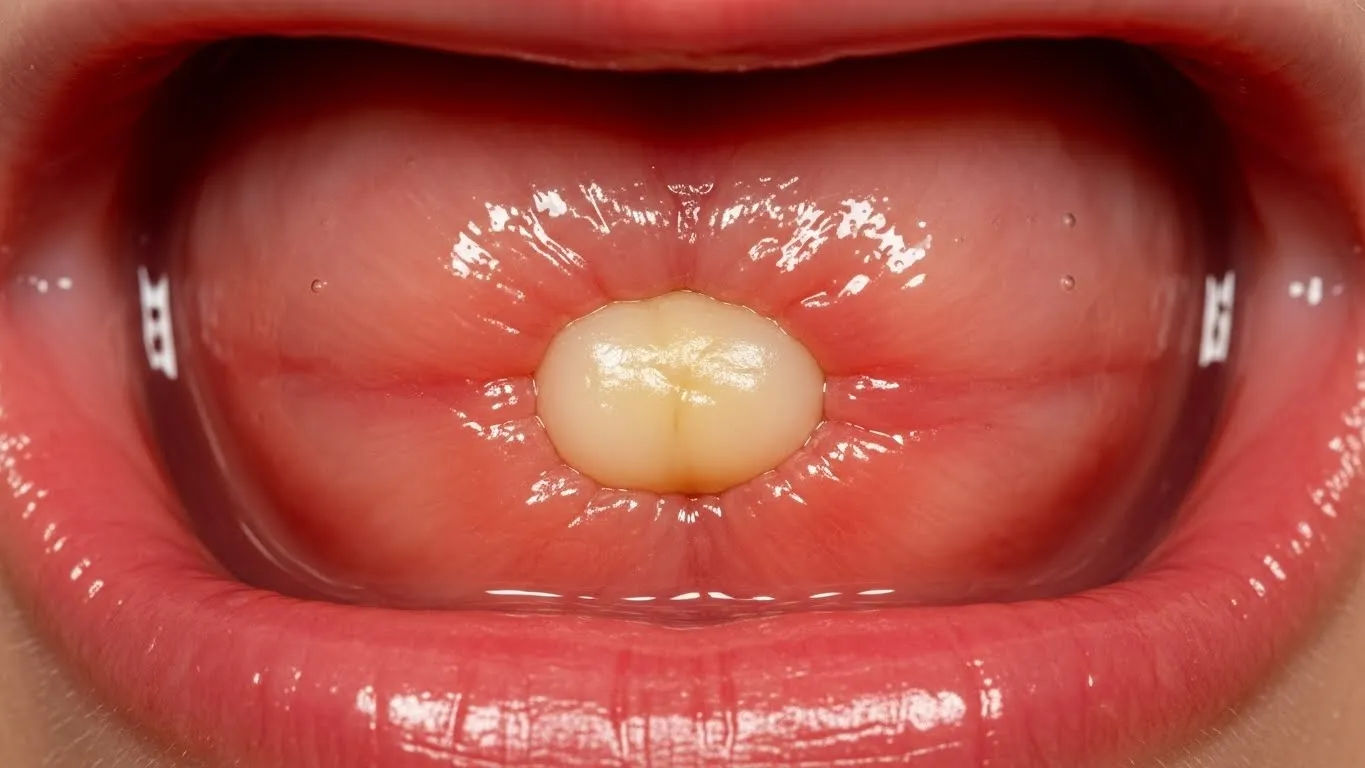
Ever woken up, shuffled to the loo, caught your reflection in the mirror—and done a proper double-take, like you’ve just spotted a ghost *wearing your face*? One side puffed up like you’ve been storing a satsuma in your cheek, eye half-shut, lips lopsided… and all because of a *tooth*? Welcome, mate, to the surreal theatre of face swelling from tooth infection. It’s not an allergic reaction (unless you count “allergic to dodging the dentist”). It’s not mumps (though your nan *will* ask). Nah—it’s your body’s full-scale emergency drill: bacterial invaders in a decayed or cracked tooth have busted through the root, set up camp in the jawbone, and triggered a furious immune response. The result? A balloon effect no amount of cold spoons can deflate. And yes—it’s *exactly* as dramatic as it sounds.
How Does a Tooth Infection Even *Reach* Your Face? A Crash Course in Dental Drama
Let’s rewind. A face swelling from tooth infection doesn’t happen overnight—though it *feels* like it. It starts with caries (fancy word for decay), a cracked filling, or trauma. Bacteria—usually Streptococcus viridans or Fusobacterium—sneak into the pulp (the tooth’s soft, nervey core). From there? They multiply, pressure builds, and *pop*: the infection spills out the root tip into the surrounding bone (apical periodontitis). If unchecked, it tracks along tissue planes—up into the cheek (buccal space), down to the neck (submandibular), or even *across* the midline. Gravity and anatomy dictate the route. Fun fact: the maxillary (upper) teeth drain toward the eye; mandibular (lower) ones toward the jawline and throat. That’s why your “toothache” can morph, overnight, into a full-on *Picasso* situation.
Red Flags, Not Just Red Cheeks: Early Signs Your Tooth Infection’s Gone Rogue
Not all face swelling from tooth infection looks the same—and not all starts with swelling. Early warnings?
- Persistent, throbbing toothache—worse when lying down (increased blood pressure in the head)
- Bitter taste or foul odour—pus leaking into the mouth (yes, that’s *not* just last night’s garlic bread)
- Loose tooth—bone erosion’s underway
- Fever & malaise—your body’s shouting, not whispering
Anatomy of the Swell: Which Spaces Get Invaded (and Why It Matters)
Where the face swelling from tooth infection lands tells the story—and guides treatment. Here’s your quick spatial guide:
| Infection Source | Potential Swelling Zone | Risk Level |
|---|---|---|
| Upper molar/premolar | Cheek, under eye, upper lip | Medium (risk of orbital spread) |
| Lower molar | Lower jaw, submandibular (under chin) | High (can compress airway) |
| Lower front teeth | Chin, floor of mouth | Very high (Ludwig’s angina territory) |
| Upper front teeth | Nose, upper lip, bridge | Medium–high (cavernous sinus risk—rare but deadly) |
Swelling that crosses the midline? *Big* red flag. That means multiple spaces are involved—and infection’s playing 4D chess. Time to call in the cavalry: oral surgeon, stat.
Diagnosis: Beyond “Yep, That’s a Puff”—What the Dentist Actually Checks For
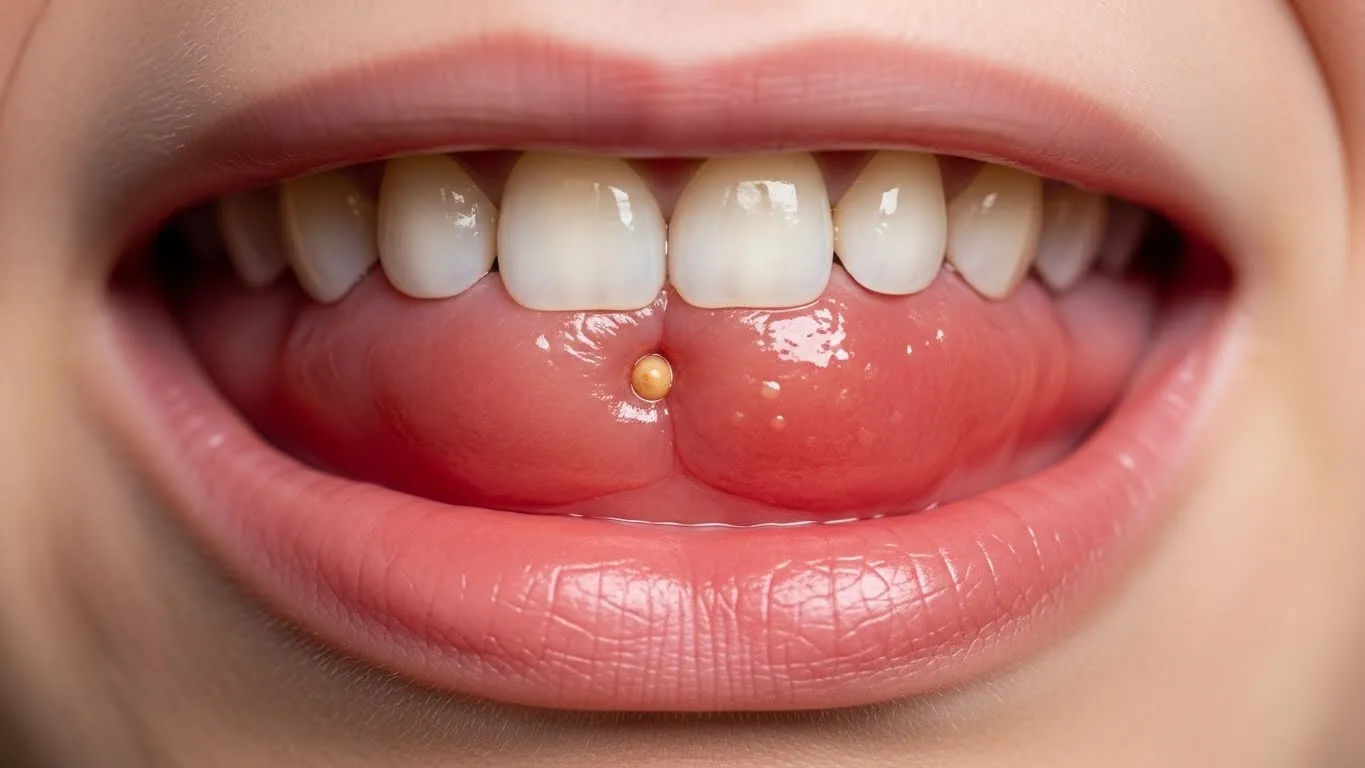
You walk in looking like a startled pufferfish, and the dentist doesn’t flinch. Good sign. They’ll start with history (“When’d it start? Any fever?”), then exam: - Palpation: Is the swelling soft (pus) or hard (cellulitis)? Fluctuant? Tender? - Percussion: Tapping teeth—does one *sing* (pain = necrotic pulp)? - Mobility: Is the tooth wobbly? (Bone loss = advanced infection.) - Trismus: Can you open wide? <3 finger widths = restricted—danger sign. Then—X-rays. OPG or CBCT to see bone destruction, root fractures, or foreign bodies. Bloods? If systemic: CRP, WBC, blood cultures. NHS data shows ~12,000 UK hospital admissions/year for odontogenic infections—many preventable with earlier care.
First Aid at Home: What *Actually* Helps (and What Just Wastes Time)
While you’re waiting for the emergency dental slot (or A&E), here’s what’s *evidence-backed*:
- Cold compress (15 mins on/15 off)—reduces inflammation. *Not* heat—heat spreads infection.
- Rinse with warm salt water (½ tsp salt in 200ml water)—gentle antiseptic, loosens debris.
- Keep head elevated—even while sleeping. Reduces hydrostatic pressure in the face.
- Pain relief: Paracetamol 1g QDS *plus* ibuprofen 400mg TDS (if no contraindications)—synergistic, better than either alone.
Professional Treatment: Drainage, Antibiotics, and the Truth About “Just a Pill”
Let’s be blunt: antibiotics *alone* rarely fix face swelling from tooth infection. Why? Pus = low-oxygen, acidic environment—antibiotics can’t penetrate well. You need *source control*. Options:
“Antibiotics are the supporting cast. Drainage is the lead actor.” — Dr. A. Mehta, Consultant Oral Surgeon, Guy’s Hospital- Root canal: If tooth is salvageable—clean out pulp, seal root. Swelling often drops in 24–48 hrs. - Extraction: If tooth’s beyond saving—out it goes, pus evacuated via socket. - Incision & drainage (I&D): For large abscesses—small incision in gum/cheek, drain pus, place drain. Antibiotics? Added if: fever >38.5°C, swelling >2 cm, immunocompromised, or signs of spreading. First-line: amoxicillin 500mg TDS + metronidazole 400mg TDS for 5 days. Penicillin-allergic? Clarithromycin or doxycycline. Cost on private urgent care? ~£95–£150 for extraction + antibiotics. Worth every quid when breathing’s easy again.
Complications: When “Just a Swollen Cheek” Turns Into a Medical Emergency
Ignoring face swelling from tooth infection isn’t “brave”—it’s Russian roulette. Potential sequels:
- Ludwig’s angina: Bilateral submandibular swelling, “woody” neck, tongue elevation → airway obstruction. Mortality: 8% even *with* ICU care.
- Cavernous sinus thrombosis: From upper teeth—headache, eye swelling, cranial nerve palsies. Rare (<0.01%), but 30% mortality.
- Sepsis: See next section. No sugar-coating: dental sepsis kills ~20 people/year in the UK (ONS, 2024).
- Osteomyelitis: Bone infection—chronic pain, non-healing socket, “sequestra” (dead bone fragments).
Aftercare & Prevention: Keeping the Swell from Making a Sequel
Post-drainage, healing’s usually quick—but recurrence’s common if the root cause isn’t fixed. Aftercare: - Salt-water rinses 4x daily for 7 days - Soft diet (no nuts, seeds, or crusty bread—gets stuck in wounds) - No smoking (vasoconstriction = delayed healing) Prevention? Regular check-ups (every 6–12 months), interdental cleaning (floss/brushes), and *don’t ignore toothache*. A small filling costs £60–£120 (Band 2 NHS); an extraction + antibiotics + A&E visit? £300+. And dignity? Priceless. If you’re curious about other sneaky oral infections, pop over to Riding London, head to the Learn section, or read our deep-dive on hidden threats: Abscess on Roof of Mouth: Palatal Infection. Because sometimes, the quietest pain is the loudest warning.
Frequently Asked Questions
How to get rid of facial swelling from tooth infection?
To get rid of face swelling from tooth infection, the *source* must be addressed: root canal, extraction, or incision & drainage. Antibiotics alone won’t resolve it—pus must be evacuated. At home, use cold compresses (not heat), salt-water rinses, and elevate your head. Pain relief: paracetamol + ibuprofen. If swelling is severe, spreading, or with fever—seek emergency dental or A&E care *same day*.
What happens if a tooth infection spreads to the face?
When a tooth infection spreads, it causes face swelling from tooth infection in spaces like the buccal, submandibular, or orbital areas. Left untreated, it can lead to airway obstruction (Ludwig’s angina), cavernous sinus thrombosis (from upper teeth), sepsis, or osteomyelitis. Symptoms worsen rapidly: trismus (can’t open mouth), dysphagia, fever, and breathing difficulties. This is a medical emergency requiring IV antibiotics and surgical drainage.
Will facial swelling go down with antibiotics?
Facial swelling *may* reduce slightly with antibiotics—but rarely resolves fully without drainage. Pus creates a barrier that blocks antibiotic penetration. Studies show >80% of face swelling from tooth infection cases require source control (extraction, root canal, or I&D) for complete resolution. Antibiotics are adjunctive—used for systemic signs (fever, spreading redness) or high-risk patients—but not a standalone fix.
What are the first signs of sepsis from a tooth abscess?
Early signs of sepsis from a dental abscess include: high fever (>38.5°C) or *low* temperature (<36°C), rapid heart rate (>90 bpm), fast breathing (>20/min), confusion or drowsiness, and mottled/cold skin. With face swelling from tooth infection, watch for worsening swelling *despite* antibiotics, inability to swallow saliva, voice changes (“hot potato voice”), or neck stiffness. If two or more of these are present—call 999. Time is tissue (and life).
References
- https://cks.nice.org.uk/topics/dental-abscess/
- https://www.bda.org/advice/clinical/antibiotics/pages/odontogenic-infections.aspx
- https://www.ncbi.nlm.nih.gov/pmc/articles/PMC7986521/
- https://www.england.nhs.uk/statistics/statistical-work-areas/dental-statistics/