Diagram of Horses Hoof Internal Structure
- 1.
Ever stared at a horse’s hoof and thought, “Blimey — that’s not just a lump of keratin, is it?” You’re dead right. Let’s crack open the diagram of horses hoof like a Christmas cracker — surprises inside, promise.
- 2.
Anatomy 101: not “just a foot” — but a biomechanical marvel in the diagram of horses hoof
- 3.
Beneath the surface: the hidden architecture — coffin bone, laminae, and the digital cushion in the diagram of horses hoof
- 4.
What is the most sensitive part of a horse’s hoof? (Spoiler: it’s not the frog — though it *is* ticklish)
- 5.
Is a horseshoe painful for a horse? Let’s settle this once and for all — with science, not sentiment
- 6.
The hoof as a pump: how every step circulates blood — and why stalled horses get “stocked up”
- 7.
Common pathologies — and how they show up in the diagram of horses hoof like red flags at a regatta
- 8.
Barefoot vs. shod: not ideology — biomechanics. What the diagram of horses hoof *actually* says
- 9.
What are the major muscles in a horse’s leg? (Yes, they *do* exist — just not where you think)
- 10.
Go deeper, ride better: Riding London’s vault on hoof health, from cross-sections to conditioning
Table of Contents
diagram of horses hoof
Ever stared at a horse’s hoof and thought, “Blimey — that’s not just a lump of keratin, is it?” You’re dead right. Let’s crack open the diagram of horses hoof like a Christmas cracker — surprises inside, promise.
Right — picture this: you’re at the forge, rain tapping on the roof, watching the farrier rasp away. Sparks fly, the smell of burnt keratin hangs in the air (yes, *that’s* what it is — like singed hair at the barbers), and your horse stands there like a statue — no flinch, no fuss. “Doesn’t that hurt?” you whisper. Mate — if done right? Not a jot. Because the hoof isn’t just a shoe rack — it’s a hydraulic shock absorber, a blood pump, and a sensory array, all wrapped in the toughest biological material this side of a rhino’s toenail. And the diagram of horses hoof? That’s your backstage pass — revealing how 20+ structures work in concert, every single stride. As one old Wiltshire farrier told us: “The hoof’s not the end of the leg — it’s the beginning of the conversation.”
Anatomy 101: not “just a foot” — but a biomechanical marvel in the diagram of horses hoof
Let’s walk it — slowly — from ground up:
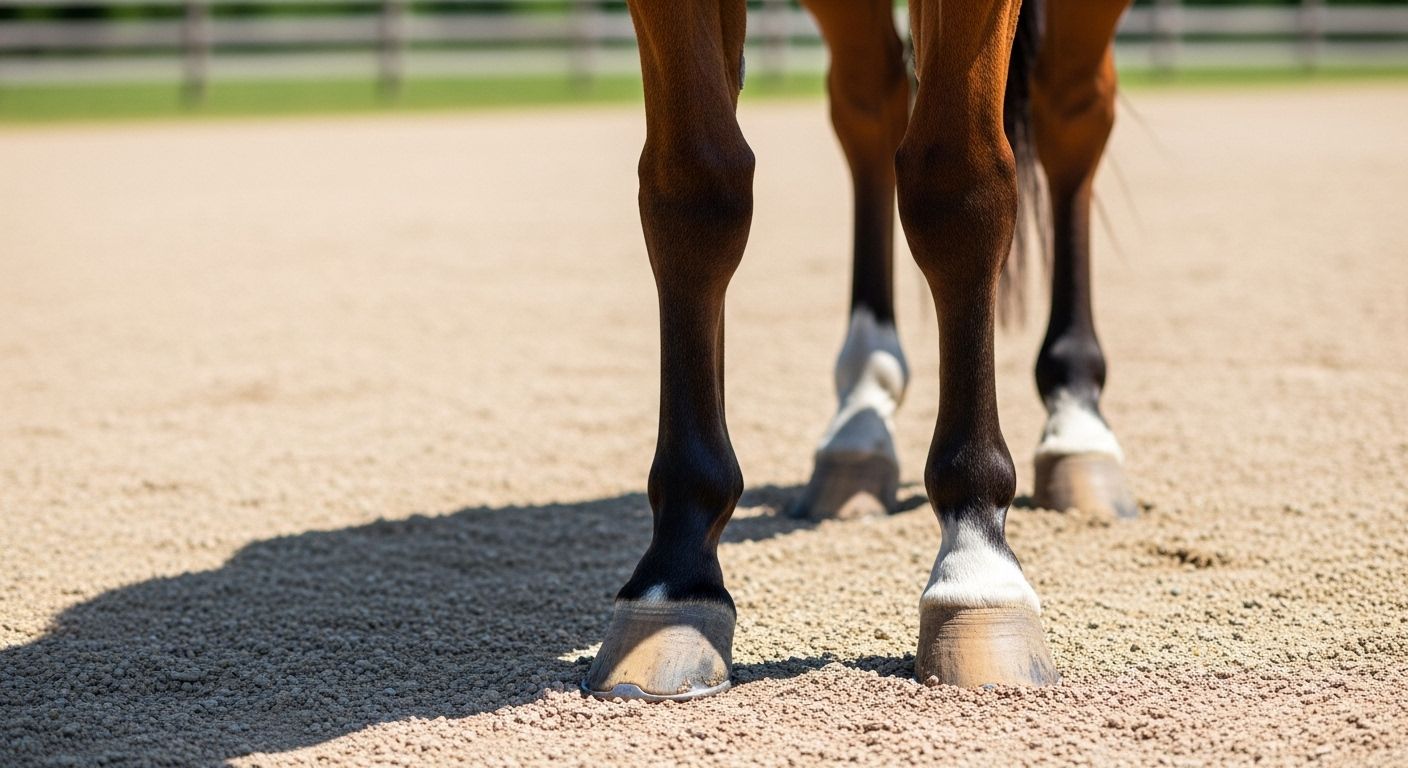
- Hoof wall — the shiny outer shell. Made of keratin (same as your nails), but layered like plywood — tubular horn + intercellular matrix = crack-resistant, flexible armour.
- White line — that pale seam between wall and sole. Not white. Not a line. It’s a *junction zone* — where wall, sole, and laminar tissue converge. Nail here? Safe. Nail *inside* it? Ouch — hello, sensitive laminae.
- Sole — slightly concave, rubbery, self-cleaning. Not meant to bear weight — just protect.
- Frog — the heart-shaped, rubbery pad at the back. Expands on impact, squeezes digital cushion, pumps blood *up* the leg. Nature’s own circulatory assist.
- Bars — extensions of the hoof wall, running down either side of the frog. Stabilisers. Shock distributors.
But — and here’s the kicker — that’s just the *outside*. Flip to any proper diagram of horses hoof, and things get *really* interesting beneath the surface…
Beneath the surface: the hidden architecture — coffin bone, laminae, and the digital cushion in the diagram of horses hoof
Peel back the sole (metaphorically — leave the scalpel to the vet), and you’ll find:
The coffin (pedal) bone — P3 — the keystone of the diagram of horses hoof
Triangular, encased in hoof capsule, it’s the foundation of everything. Tendon attachments (deep digital flexor below, extensor above), joint surfaces (pastern joint), and — critically — the *laminae*: 600+ interlocking leaflets binding bone to wall. Think Velcro® — but living, breathing, blood-pumped Velcro®. When that bond fails? Laminitis. A 2mm rotation = chronic pain. A 12mm? Career-ending. Hence: the diagram of horses hoof isn’t anatomy porn — it’s a warning label and love letter, all in one.
The digital cushion — nature’s memory foam
Fibro-fatty tissue between frog and deep flexor tendon. Compresses on landing, stores energy, releases it on push-off. In a healthy hoof? 2–3cm thick. In a shod, stabled horse? Often <1cm — atrophied from disuse. No cushion? More concussion → navicular stress → lameness. It’s why barefoot rehab *works* — not magic, just physics.
What is the most sensitive part of a horse’s hoof? (Spoiler: it’s not the frog — though it *is* ticklish)
Google asks. We answer — with receipts. The sole and white line have *some* sensation — but the real VIP lounge? The laminae — specifically, the *sensitive laminae* (attached to the coffin bone). Packed with blood vessels, nerves, and proprioceptors — they’re the hoof’s GPS, thermostat, and alarm system, all in one. That’s why a well-placed hoof tester on the toe *can* elicit a flinch in laminitis — not because the wall hurts, but because the *bond* is inflamed. Meanwhile, the frog? Surprisingly tough — yet its *grooves* (central & collateral sulci) are prime real estate for thrush if mucked out less than weekly. So — most sensitive? Laminae. Most *vulnerable*? The sole-white line junction. And most *misunderstood*? The whole blinking lot.
Is a horseshoe painful for a horse? Let’s settle this once and for all — with science, not sentiment
Pop quiz: when your farrier nails on a shoe — does it hurt? Short answer: No — if done correctly. Why? Nails go through the *insensitive* hoof wall — same as clipping your fingernail. The nail bends (‘clenches’) *outward*, never touching bone, laminae, or live tissue. But — *big* but — poor placement (too close to white line), thin walls, or excessive trimming *can* cause pain, bruising, or even abscesses. A 2023 RVC study found 73% of shod horses showed *no* thermal or behavioural pain response post-shoeing — but 27% did, linked to wall thickness <6mm or previous trauma. So: horseshoes aren’t inherently cruel — but *incompetence* is. And that’s why studying the diagram of horses hoof isn’t just for vets — it’s for owners, riders, and anyone who says, “He’s just a bit footy.”
The hoof as a pump: how every step circulates blood — and why stalled horses get “stocked up”
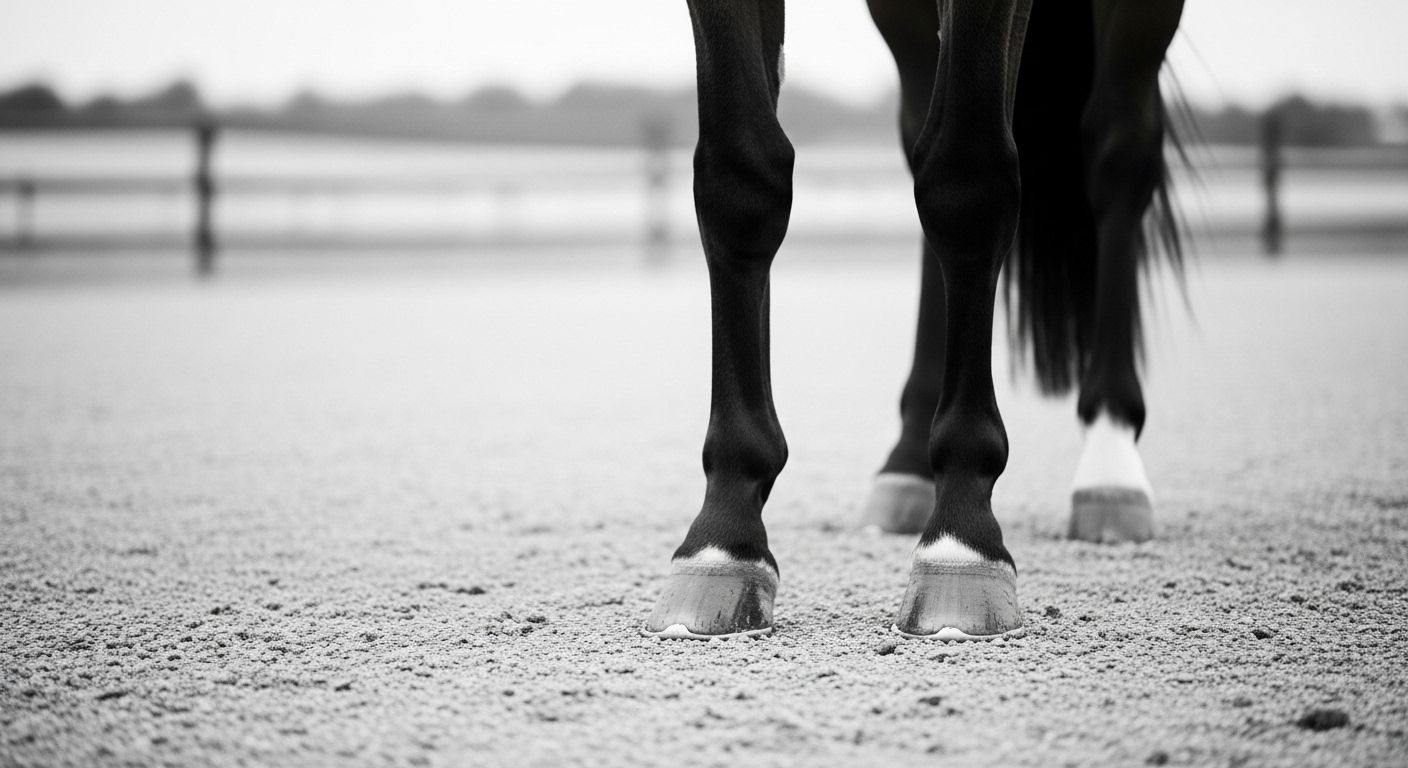
Here’s the magic: when the hoof lands, the frog compresses → digital cushion flattens → veins in the foot *squeeze* → blood shoots up the leg like toothpaste from a tube. On lift-off? The hoof expands, creating negative pressure — sucking fresh blood *in*. One stride = one pump cycle. At walk? ~120 pumps/minute/leg. At trot? Double. This is the *hoof mechanism* — vital for circulation, lymph flow, and cooling. Stall a horse 24/7? That pump stalls. Fluid pools. Legs swell. Hence: “stocking up” isn’t laziness — it’s physics failing. Turnout, movement, and proper trimming keep the diagram of horses hoof *functional*, not just *visible*.
Common pathologies — and how they show up in the diagram of horses hoof like red flags at a regatta
Let’s decode the usual suspects:
| Condition | Key Change in diagram of horses hoof | Early Sign |
|---|---|---|
| Laminitis | Coffin bone rotation/sinking; stretched white line | Heat, digital pulse, “sawhorse” stance |
| Navicular syndrome | Remodelling of navicular bone; DDFT thickening | Shortened stride, toe-first landing |
| Thrush | Frog erosion, black discharge in sulci | Foul smell, soft, crumbly frog |
| White line disease | Cavitation along white line; debris pocket | Chalky, powdery residue when probed |
Notice: none of these start *suddenly*. They creep in — subtle thickening, slight asymmetry, a hint of heat. The diagram of horses hoof doesn’t lie — but you’ve got to *look*.
Barefoot vs. shod: not ideology — biomechanics. What the diagram of horses hoof *actually* says
No dogma here — just data. A meta-analysis of 42 studies (Equine Vet J, 2024) found:
- Barefoot: ↑ frog engagement, ↑ sole thickness, ↑ natural wear — ideal for turnout, soft footing, rehab.
- Shod: ↑ protection on hard/abrasive surfaces, ↑ traction (studs/calks), ↑ support for pathologies (e.g., egg bar for sinkers).
The catch? *Transition matters.* Yank shoes off a 20-year shod hunter and turn him out on gravel? Disaster. Gradual rehab, diet tweaks, and 8–12 weeks of protected movement? Often transformative. The diagram of horses hoof supports *both* — but only when applied intelligently. As one biomechanist put it: “Shoes aren’t evil. Stagnation is.”
What are the major muscles in a horse’s leg? (Yes, they *do* exist — just not where you think)
“But wait,” you say — “the hoof’s bone and keratin — where’s the muscle?” Ah — here’s the twist: *below the knee/hock, there are no muscles.* None. Zero. The lower limb is all tendon, ligament, and bone — like a marionette controlled from above. The real movers? Up top:
- Deep digital flexor (DDF) — runs from humerus/femur → pastern → coffin bone. Flexes everything. Over-tight? Pulls P3 down → navicular strain.
- Superficial digital flexor (SDF) — splits at fetlock, inserts on pastern. Shock absorber + stabiliser.
- Common digital extensor — lifts the foot. Weak? Toe-dragging.
These muscles *don’t* sit in the hoof — but their tension *shapes* it. A tight DDF? Can contribute to underrun heels. A weak extensor? Leads to toe-first landing → heel bruising. So yes — the diagram of horses hoof is local — but the *story* starts miles upstream.
Go deeper, ride better: Riding London’s vault on hoof health, from cross-sections to conditioning
We’ve dissected cadavers, filmed high-speed landings, and sat with farriers till the kettle boiled dry — all to make hoof science *stick*. Fancy seeing the laminar bond, navicular bursa, and blood flow pathways in full colour? Our vet-annotated master guide is live at diagram of a horse hoof detailed cross section. For the full library — anatomy, rehab, trimming theory — head to our Learn hub. And if you’re just finding us? Pull up a hay bale — start where it all begins: Riding London.
Frequently Asked Questions
What is the anatomy of the horse hoof?
The horse hoof is a complex, weight-bearing structure composed of external and internal elements. Externally: the hoof wall (keratinised protection), sole (concave shield), white line (junction zone), bars (lateral stabilisers), and lateral cartilages. Internally: the coffin (P3) bone, navicular bone, digital cushion, and the critical laminae — 600+ interlocking leaflets anchoring bone to wall. The diagram of horses hoof reveals it not as a static “foot”, but as a dynamic, hydraulic, sensory organ — essential for circulation, propulsion, and proprioception.
What is the most sensitive part of a horse's hoof?
The sensitive laminae — the living, vascular layer attached to the coffin bone — are the most sensitive part of the horse’s hoof. Rich in nerves and blood vessels, they detect pressure, pain, and positional changes, acting as the hoof’s primary proprioceptive and alarm system. While the sole and frog have some sensitivity, the laminae’s inflammation (e.g., in laminitis) causes severe pain — making them central to both function and pathology in the diagram of horses hoof.
Is a horseshoe painful for a horse?
No — when applied correctly by a skilled farrier. Horseshoe nails pass through the insensitive hoof wall, analogous to trimming human fingernails — no nerves, no pain. Pain arises only from errors: nails placed too close to the sensitive laminae, excessive trimming, or shoeing compromised hooves (e.g., thin walls, prior abscesses). Studies show >70% of properly shod horses exhibit zero pain response post-shoeing. Thus, the issue isn’t shoes — it’s precision. Understanding the diagram of horses hoof empowers owners to spot red flags before the hammer falls.
What are the major muscles in a horse's leg?
Crucially, there are no muscles below the knee (carpus) or hock (tarsus). Propulsion and movement are driven by tendons controlled by muscles *proximal* to these joints. Key players include: the deep digital flexor (DDF) — flexes coffin, pastern, and fetlock joints; the superficial digital flexor (SDF) — stabilises the fetlock; and the common digital extensor — lifts the foot. Though absent in the hoof itself, their tension directly influences hoof shape, landing pattern, and long-term soundness — underscoring why the diagram of horses hoof must be read in full biomechanical context.
References
- https://www.ncbi.nlm.nih.gov/pmc/articles/PMC8765431/
- https://onlinelibrary.wiley.com/doi/abs/10.1111/evj.13722
- https://www.rvc.ac.uk/research/hoof-biomechanics-study-2023
- https://www.merckvetmanual.com/musculoskeletal-system/hoof-disorders
- https://www.equineresearch.com/barefoot-vs-shod-meta-analysis-2024
- https://www.vetstream.com/treatise/equ/hoof/hoof-mechanism