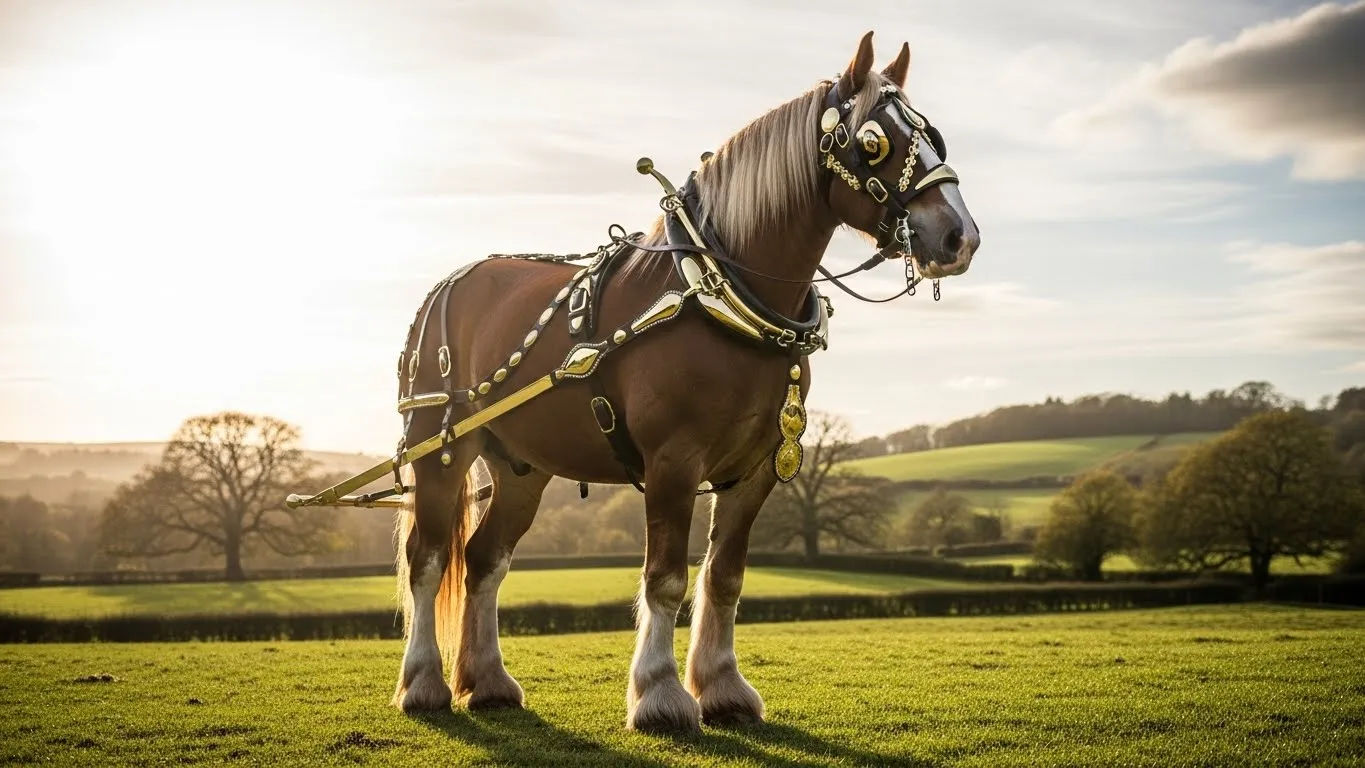
Measuring Horses in Hands Height Conversion Guide
- 1.
Wait—Hold Up—Horses Are Measured in *Hands*?! Like… Actual Human Hands?
- 2.
So How Do They *Actually* Measure Horses in Hands—With a Giant Ruler or a Tape Measure?
- 3.
Why Bother with Hands? Why Not Just Go Metric Like the Rest of Civilisation?
- 4.
What’s the Range? From Pocket-Sized to Pant-Scraping—How Tall *Can* Horses Get?
- 5.
How Tall Are 17 Hands on a Horse? Let’s Get Visual.
- 6.
What About the Giants? How Tall Is a 19 Hand Horse—or Even 20?
- 7.
Do Fractions Matter? What’s the Difference Between 15.3 and 16.0?
- 8.
Can the Weather or Time of Day Affect Measuring Horses in Hands?
- 9.
Where Can You Learn More About the Art—and Quirks—of Measuring Horses in Hands?
Table of Contents
measuring horses in hands
Wait—Hold Up—Horses Are Measured in *Hands*?! Like… Actual Human Hands?
“Blimey, did someone just grab a tape measure, sigh, and go: ‘Nah, let’s use *this* knackered old appendage instead’?” You’re not wrong to raise an eyebrow. Measuring horses in hands sounds like something a tipsy blacksmith invented over a pint at The Red Lion—and, well… history’s not *far* off. Back in ye olde days (think Henry VIII, ruffs, and plague doctors), your average farmer didn’t own a ruler longer than a loaf of bread. But everyone’s got hands—roughly the same size (ish). So—boom—the *hand* was born: **4 inches**, or 10.16 cm, from the knuckle of your thumb to the tip of your middle finger. Measuring horses in hands stuck like mud on wellies. Even today, the Jockey Club’s rulebook opens with: *“Height shall be recorded in hands and inches, the inch fractional.”* Fancy that: a unit older than democracy—still galloping strong.
So How Do They *Actually* Measure Horses in Hands—With a Giant Ruler or a Tape Measure?
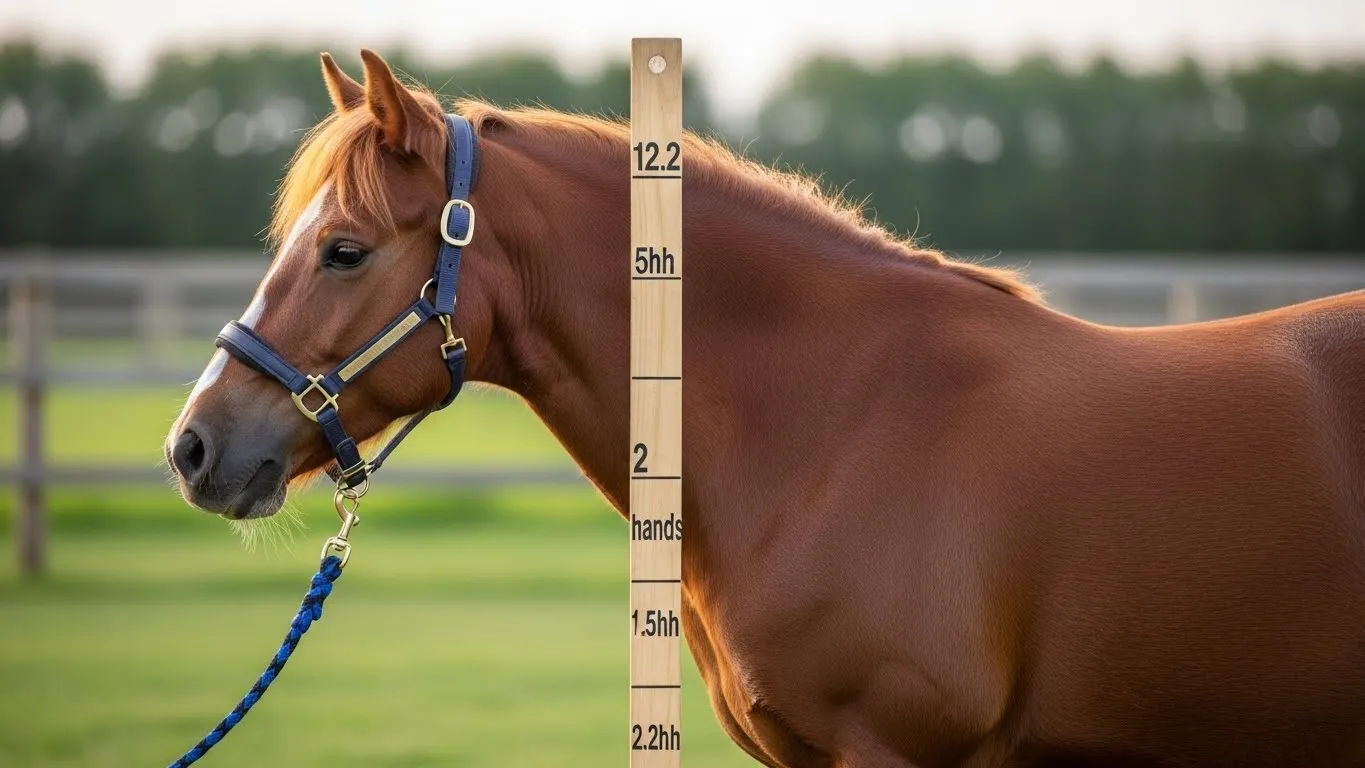
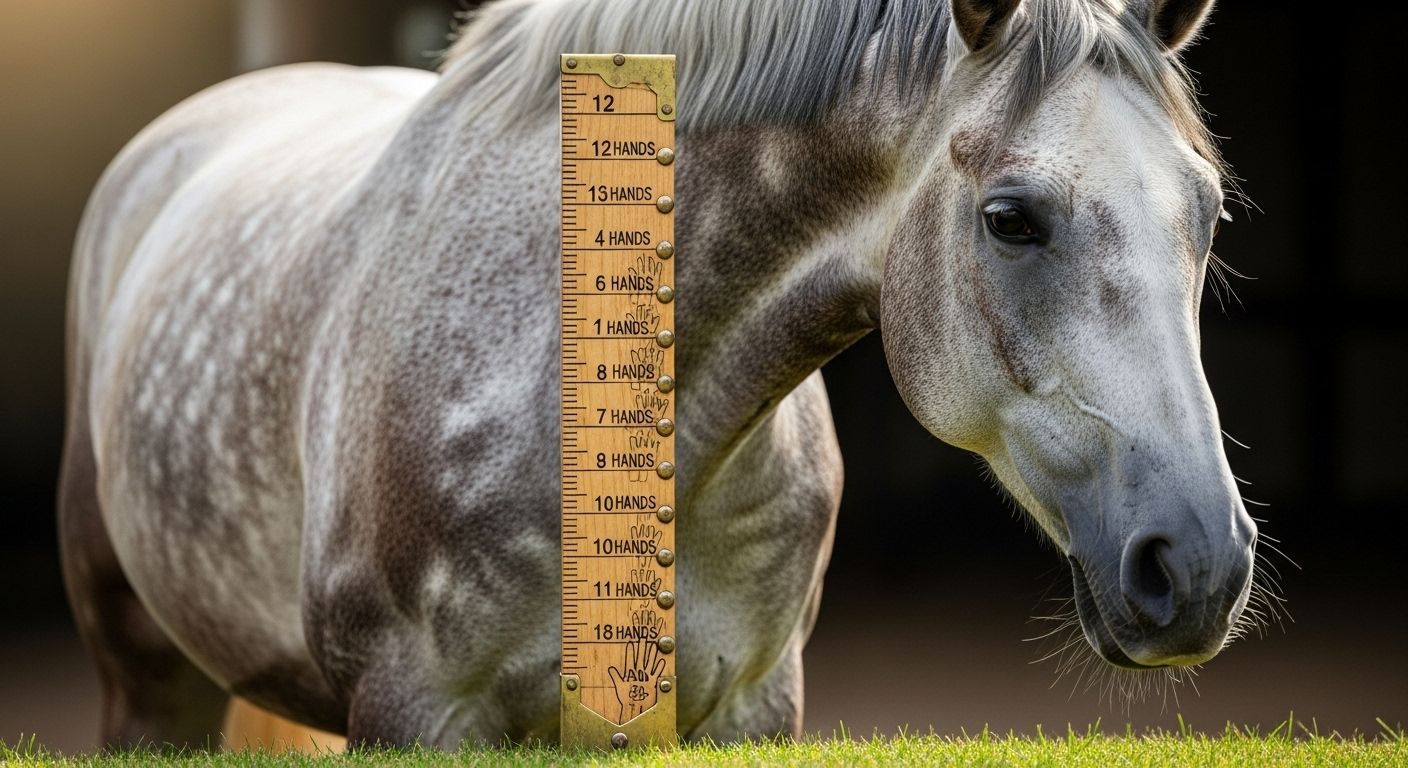
No lasers. No drones. Just a stick, a spirit level, and *absolute silence* while the horse stops fidgeting. Measuring horses in hands happens at the *withers*—that bony ridge between the shoulder blades—‘cos it’s the only spot that doesn’t bob up and down like a buoy in a storm. Officially, you use a *horse height stick*: a vertical pole with a sliding horizontal arm (like a giant calliper). You slide the arm down ‘til it rests *gently* on the withers, then read off the scale—marked in hands and fractions. A reading of **15.2**? That’s **15 hands** and **2 inches**, *not* fifteen point two. (Confuse that, and you’ll end up with a horse 4 inches taller than advertised—enough to void warranties and marriages.) Measuring horses in hands is part science, part diplomacy—and 100% dependent on the horse *not* choosing that second to sneeze.
Why Bother with Hands? Why Not Just Go Metric Like the Rest of Civilisation?
‘Cos tradition’s got more grip than a Clydesdale in mud—and measuring horses in hands carries *meaning*. A hand isn’t just a unit; it’s a rhythm. Breeders talk in hands like poets talk in metre: *“She’s a solid 16.1—elegant, but no noodle.”* Auctions? “Startin’ at 14.3, do I hear 15?” It’s shorthand for type, temperament, even suitability. A 13.2 pony’s got cheek; a 17-hand warmblood’s got presence. Switch to centimetres? You lose the *cadence*. Also—practicality: 16 hands = 64 inches = 162.56 cm. Try shoutin’ *“One-six-two-point-five-six!”* across a windy paddock. See how far you get. Measuring horses in hands isn’t stubbornness—it’s cultural muscle memory. Like insisting “fortnight” beats “14 days.”
What’s the Range? From Pocket-Sized to Pant-Scraping—How Tall *Can* Horses Get?
Right—from the Shetland nibbling your coat buttons to the beast that makes you crane your neck like you’re starin’ up Big Ben. Measuring horses in hands covers a proper spectrum: - **Under 14.2 hh**: *Pony* (yes, 14.2 is the legal cutoff—blame the FEI) - **14.2–15.3 hh**: *Light horse* (your average cob, hunter, trail mate) - **16.0–17.2 hh**: *Sport horse prime* (dressage divas, jumpin’ wizards) - **18.0+ hh**: *Gentle giant territory* The tallest ever? *Big Jake*, a Belgian Draft—**20.2½ hands** (210.2 cm), certified by Guinness in 2010. Weighed 2,600 lbs. Ate 140 lbs of feed a day. His *shadow* cast shade over small sheds. Meanwhile, *Einstein*, the world’s tiniest horse, stood at **14.5 inches**—less than *4 hands*. Measuring horses in hands reminds us: equines run the full gamut—from teacup to tank.
How Tall Are 17 Hands on a Horse? Let’s Get Visual.
Seventeen hands? That’s **68 inches**—or **5 feet 8 inches** to the withers. Picture it: a rider in jodhpurs stands *eye-level* with the horse’s back. Stirrups hang near the rider’s ankles. You’ll need a mounting block *and* a boost. Many show jumpers and eventers top out here—like *Valegro* (16.2), *Totilas* (16.3), or *Big Star* (17.0). At 17 hands, a horse doesn’t just enter a stable—it *announces* itself. Wind whistles different up there. Haynets need step-ladders. Vet checks require stools. Yet—grace remains. A 17-hand horse can still fold into a half-pass like origami. Measuring horses in hands isn’t about size alone; it’s about *scale of presence*.
What About the Giants? How Tall Is a 19 Hand Horse—or Even 20?
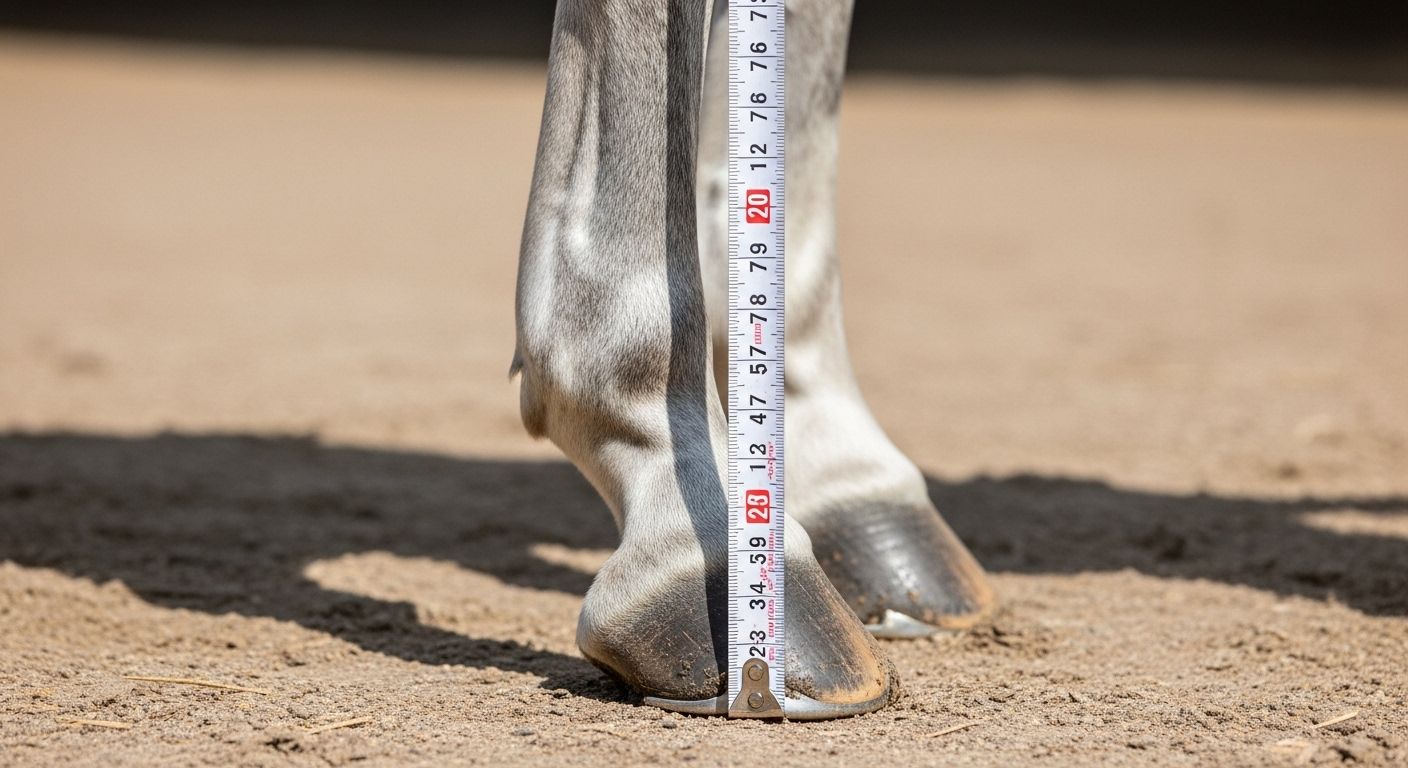
Nineteen hands? That’s **76 inches**—**6 feet 4 inches**. Same height as your local rugby prop. A 20-hand horse? **80 inches**—**6 feet 8 inches**. Standing next to one feels like parkin’ beside a double-decker bus. These aren’t just tall—they’re *architectural*. Shires, Percherons, and Clydesdales hit these stats. *Sampson* (later renamed *Mammoth*), foaled 1846, stood **21.2½ hands**—86.5 inches! Weighed 3,360 lbs. His hooves? 28 inches around—bigger than dinner plates. Modern giants like *Zeus* (19.2 hh) need custom trailers, reinforced stable doors, and blankets sold by the *yard*. Vet bills? Up 30% for sedation doses. Measuring horses in hands at this scale isn’t bragging—it’s logistics.
Height Comparison: From Pocket Pony to Paddock Titan
| Height (hands) | Inches | Metres | Breed Example |
|---|---|---|---|
| 8.0 | 32 | 0.81 m | Falabella |
| 12.2 | 50 | 1.27 m | Shetland Pony |
| 14.2 | 58 | 1.47 m | Welsh Cob |
| 16.0 | 64 | 1.63 m | Dutch Warmblood |
| 17.2 | 70 | 1.78 m | Hanoverian |
| 18.3 | 75 | 1.91 m | Shire |
| 20.2 | 82 | 2.08 m | Belgian Draft (Big Jake) |
Do Fractions Matter? What’s the Difference Between 15.3 and 16.0?
Absolutely—they’re *massive* in horse world. Remember: the number after the dot is *inches*, not decimals. So: - **15.3** = 15 hands + 3 inches = 63 inches - **16.0** = 16 hands + 0 inches = 64 inches That *one inch*? Changes saddle fit, bit leverage, even eligibility for pony classes (14.2 is the cliff edge—14.3 = horse, *full stop*). In dressage, 1 inch alters centre of gravity enough to affect piaffe balance. In sales? A 16.0 Warmblood fetches 12% more than a 15.3—same bloodline, same training. At shows, stewards carry *calibrated sticks* to the ¼-inch. We’ve seen ties broken over *half an inch*. Measuring horses in hands is precise—not poetic. One digit shifts destiny.
Can the Weather or Time of Day Affect Measuring Horses in Hands?
Believe it or not—yes. Measuring horses in hands isn’t static. Horses *shrink* overnight (spinal discs decompress after lying down), then stretch out by midday—up to **½ inch** taller after a good gallop. Cold mornings? Tendons tighten, stance lowers. Hot afternoons? They stand taller, looser. Even hoof trimming changes readings: a freshly shod horse can lose **⅜ inch** in height. One vet study found average diurnal variation of **0.4 inches**—enough to flip a 15.3 to 15.2. That’s why official measurements happen *post-exercise*, on *level ground*, with the horse *square*—and preferably after it’s stopped sighing in protest. Measuring horses in hands is less physics, more horsemanship with numbers.
Where Can You Learn More About the Art—and Quirks—of Measuring Horses in Hands?
Grab a brew, settle in, and let’s geek out proper. We’ve built a whole reference stable over at Riding London—where height charts, measuring demos, and even vintage height-stick restorations live. Fancy gettin’ nerdy? Dive into our Learn section: videos, vet-verified guides, and printable cheat sheets (laminated, ‘cos tack rooms get damp). And if you’re after the *definitive* decoder ring—hands to cm, inches to hh, pony vs horse thresholds—don’t miss our ultimate explainer: Hand Horse Measurement: Height Conversion Guide. Pro tip: bookmark it. You’ll thank us when your farrier says “She’s lookin’ 15.1¾…” and you don’t panic.
Frequently Asked Questions
How tall are 17 hands on a horse?
17 hands = 68 inches = 5 feet 8 inches = 172.72 cm. That’s measured to the withers—the ridge between the shoulder blades. For context: taller than the average UK woman (5'3"), and just shy of the average UK bloke (5'10"). A 17-hand horse feels substantial without being overwhelming—common in sport horses like Dutch Warmbloods or Holsteiners. When measuring horses in hands, 17.0 is often seen as the “sweet spot” for elite jumping and dressage mounts.
How do they measure horses by hands?
They use a horse height stick (or measuring tape + level) at the withers, with the horse standing square on firm, level ground. The measurement is taken in **hands (hh)**, where **1 hand = 4 inches**. The format is **X.Y**, where X = hands, Y = extra inches (0 to 3). So 15.2 = 15 hands + 2 inches = 62 inches total. Crucially—*never* round up: 15.3¾ is still recorded as **15.3**, not 16.0. This precision is core to measuring horses in hands across registries, sales, and competitions.
How tall is a 20 hand horse?
A 20-hand horse stands 80 inches tall—that’s 6 feet 8 inches (203.2 cm) at the withers. Only the largest draft breeds reach this—think record-holders like *Big Jake* (20.2½ hh). For reference: taller than NBA legend Shaquille O’Neal (7'1" *with* shoes—so roughly neck-to-withers level). Such horses require custom tack, reinforced stabling, and extra feed (up to £120/week in hay alone). When measuring horses in hands, 20 hh is the rarefied upper atmosphere—less than 0.01% of registered horses hit it.
How tall is a 19 hand horse?
19 hands = 76 inches = 6 feet 4 inches = 193.04 cm. Think of a red double-decker bus window—roughly eye-level. Seen in top-tier Shires and Belgians (e.g., *Zeus*, 19.2 hh). A 19-hand horse casts a proper shadow, needs a 7'6" stable door, and—fun fact—its heart weighs ~10 lbs (vs. 9 lbs in a 16-hand horse). When measuring horses in hands, 19.0 is where “impressive” tips into “my-word-is-that-a-horse-or-a-house?” territory. Vet sedation doses often double here—safety first.
References
- https://www.bhs.org.uk/advice-and-education/education/horse-care/horse-height
- https://www.fei.org/sites/default/files/FEI-Veterinary-Regulations-2024.pdf
- https://guinnessworldrecords.com/world-records/tallest-horse
- https://www.ncbi.nlm.nih.gov/pmc/articles/PMC7986123