Measurement of Hands for Horses How to Measure
- 1.
How Are Hands Measured for Horses?—Or: Why We’re Still Countin’ in Fists Like It’s 1347
- 2.
Why the Withers?—The Sacred Bump That Rules the measurement of hands for horses
- 3.
Decoding the Decimal: Why 15.3 ≠ 15.4 in the Language of measurement of hands for horses
- 4.
What Does 15 hands Mean on a Horse?—Putting It in Proper British Context
- 5.
What Do 14 hands Mean for a Horse?—The Great Pony/Horse Divide (And Why It Causes Pub Arguments)
- 6.
And What About 18 hands?—When Horses Start Needing Their Own Postcode
- 7.
Tools of the Trade: The Stick, the Spirit Level, and the Suspicious Pony
- 8.
Global Oddity: How measurement of hands for horses Stands Alone in a Metric World
- 9.
Common Errors & How to Avoid ‘Em (Or: “Nah, That’s Not How Hands Work, Kevin”)
- 10.
Why This Ancient System Still Matters—And Where to Go Deeper (Our Fave Corners of the Web)
Table of Contents
measurement of hands for horses
How Are Hands Measured for Horses?—Or: Why We’re Still Countin’ in Fists Like It’s 1347
Ever tried explainin’ to a confused Yank, “Nah, mate, he’s not 62 inches—he’s *fifteen-two*,” and watched their face do that thing where the eyebrows climb up like startled caterpillars? Welcome to the wonderfully daft, deeply British world of measurement of hands for horses. We don’t use rulers, we don’t use laser rangefinders (well—we *could*, but it’d be frightfully unsporting), we use *hands*. One hand? Exactly 4 inches. Not 3.9. Not “about”. Four. Dead on. It’s the only unit left where yer *own fist*—knuckles across, thumb tucked in—was once the gold standard. Try it now. Go on. Fist sideways. Bet yer knuckles span ~4 inches, don’t they? That’s no fluke—that’s centuries of grooms, squires, and stable lads leanin’ against fenceposts, mutterin’, “Right, that’s about… yeah. Four inches. Call it a hand.” And so it stuck—like mud on wellies after a soggy hack across the Downs.
Why the Withers?—The Sacred Bump That Rules the measurement of hands for horses
Here’s a rookie blunder: measuring from the *head*. Bless. No, love—you don’t measure a horse like ye measure a cupboard. Ye measure from the withers—that bony ridge where the neck meets the back, right between the shoulder blades. Why? ‘Cos it’s the *one* bit of a horse that doesn’t bob up and down like a buoy in a storm when they walk, trot, or try to nick yer sandwich. Head? Up, down, sideways. Back? Dips, arches, sags after hay. But the withers? Steady Eddie. Solid as a pub landlord on licensing day. So when we say a horse is 15.2 hands, we mean: measurement of hands for horses starts *here*—and only here. Deviate, and ye’ll get side-eye sharp enough to slice Cheddar.
Decoding the Decimal: Why 15.3 ≠ 15.4 in the Language of measurement of hands for horses
Right—deep breath. This trips up more folks than a loose gate latch on a windy day. In measurement of hands for horses, the “decimal” bit ain’t decimal *at all*. It’s base-4. So:
• 15.0 = 60 inches
• 15.1 = 61 inches
• 15.2 = 62 inches
• 15.3 = 63 inches
• **16.0 = 64 inches** (not 15.4!)
Think of it like old money: 12 pence to a shilling, 20 shillings to a pound. Once you hit 4 extra inches? *Boom*—ye upgrade to the next hand. Say it with us: “Fifteen-three, then *sixteen-flat*.” No such thing as “fifteen-point-four.” If someone says that? Politely offer them a cuppa—and a remedial lesson in equine arithmetic.
What Does 15 hands Mean on a Horse?—Putting It in Proper British Context
“What does 15 hands mean on a horse?”—a question asked more times in tack rooms than “where’s the sugar?” It means 60 inches. Five foot. For reference: that’s the height of the average UK primary school teacher, the doorframe in a 1930s semi, and—coincidentally—the ideal height for a sturdy cob or a compact sport horse. A 15-hand horse won’t intimidate yer nan, won’t require a step-ladder to tack up, and still gives ye that lovely *lift* when you swing aboard. It’s the Goldilocks zone: not too small, not too giant—just right for hackin’ through bridleways without duckin’ every oak branch. And crucially, it sits *just* below the 15.2 threshold where many showjumping classes split—so measurement of hands for horses here isn’t just trivia; it’s class eligibility.
What Do 14 hands Mean for a Horse?—The Great Pony/Horse Divide (And Why It Causes Pub Arguments)
Fourteen hands—56 inches, or 4 foot 8 inches. Sounds small? Aye. But here’s the rub: in the UK, the official line between *pony* and *horse* is 14.2 hands (58 inches). So a 14.0 h equine? Legally, a **pony**. Doesn’t matter if he’s got the heart of a lion, the stride of a racehorse, and regularly wins open dressage classes—he’s still a pony on the passport. Why 14.2? Blame the cavalry. Back in the day, mounts for full-grown soldiers had to clear 14.2 to handle the weight of man + kit + sword + dignity. Anything less? Pony corps. This arbitrary cut-off still fuels debates fiercer than Brexit at the village fête. But love it or loathe it, the measurement of hands for horses enforces it—and paperwork don’t lie.
And What About 18 hands?—When Horses Start Needing Their Own Postcode
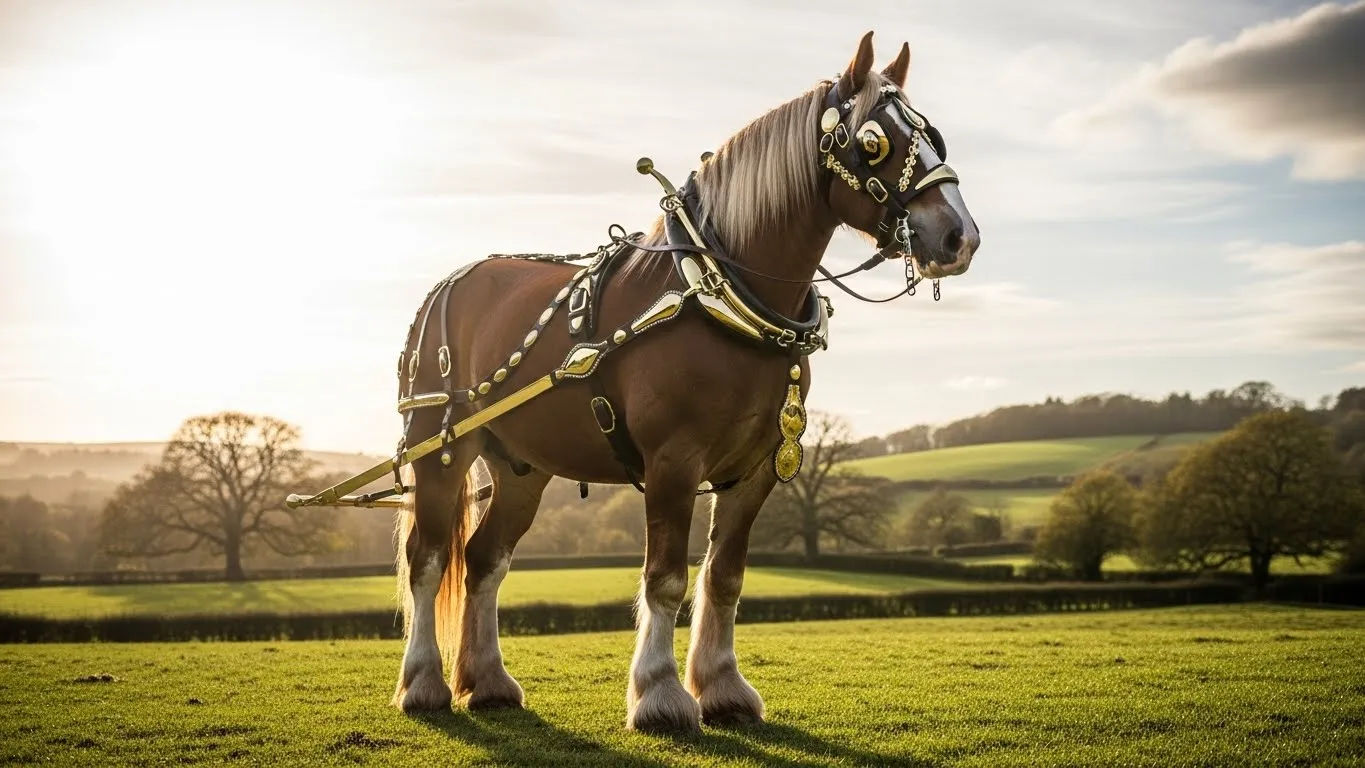
Now *18 hands*—that’s 72 inches. Six foot. Taller than 70% of British men. We’re talkin’ draft horse territory: Clydesdales stridin’ down High Street like gentle giants in feathered boots, Shires pullin’ brewery wagons with the calm of seasoned headteachers. At 18 hands, a horse’s back sits level with yer *shoulders*. Mounting requires either a mounting block, a hay bale, or *extreme* core strength. Tack? Custom. Farrier bills? Ouch—£120 a trim, easy. But oh, the presence! An 18-hand horse doesn’t *enter* a field—he *announces* himself. Sunlight bends around him. Dogs stop barking. Even pigeons pause mid-strut. That’s the magic of extreme measurement of hands for horses—it turns biology into theatre.
Tools of the Trade: The Stick, the Spirit Level, and the Suspicious Pony
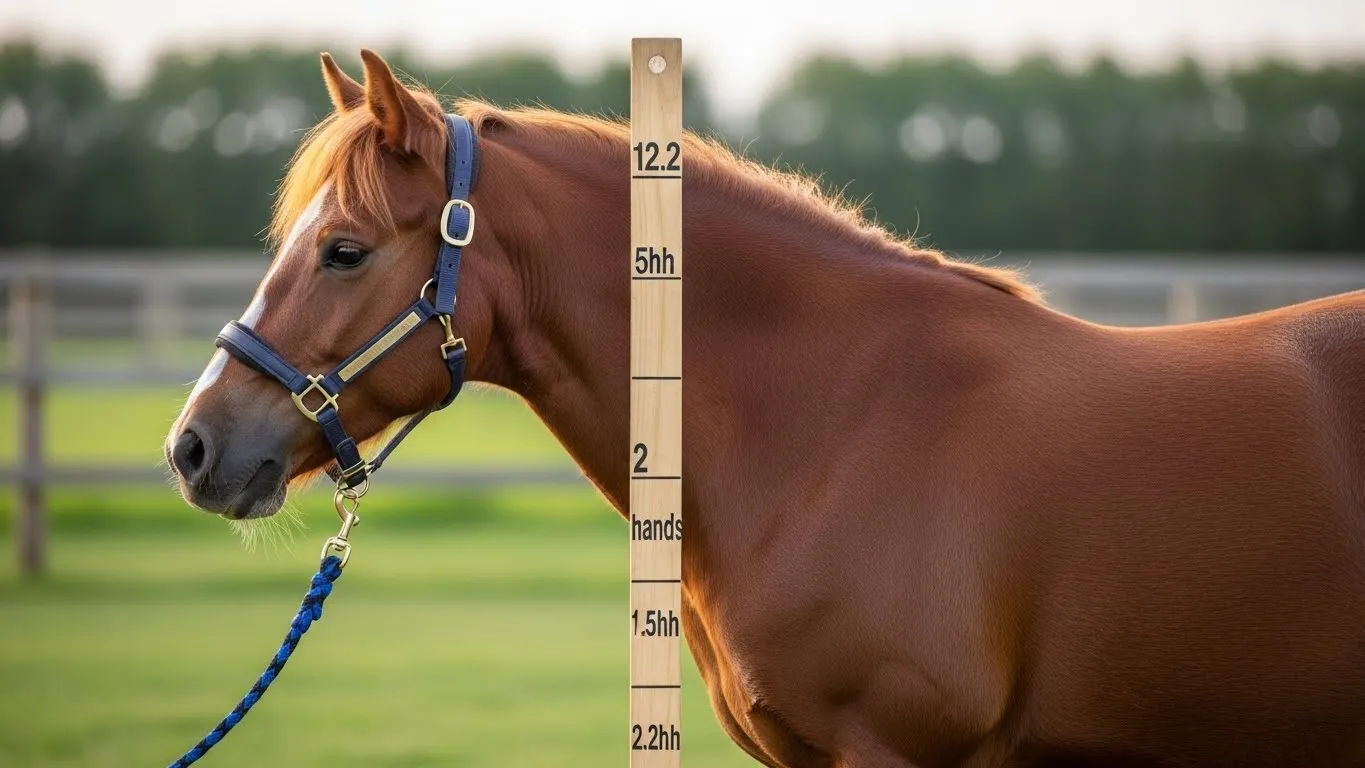
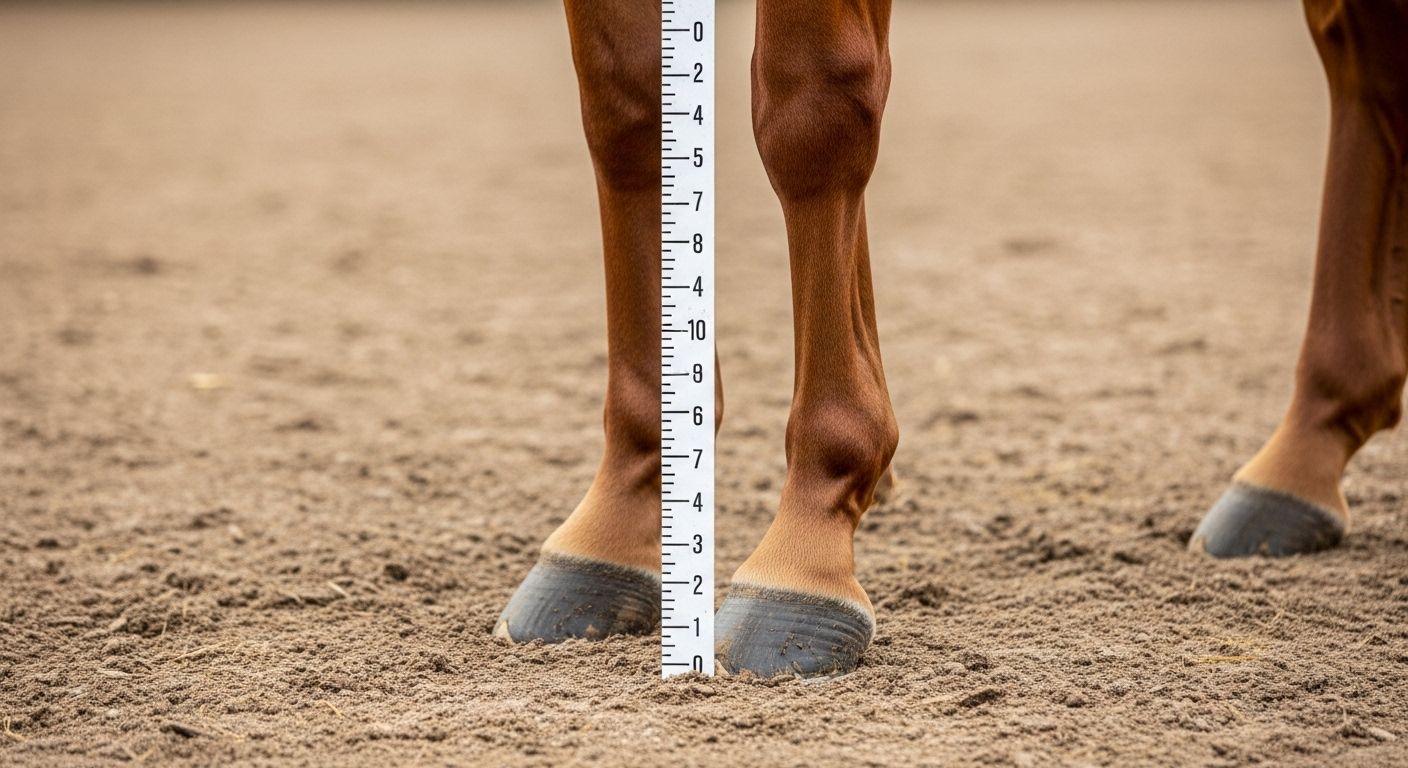
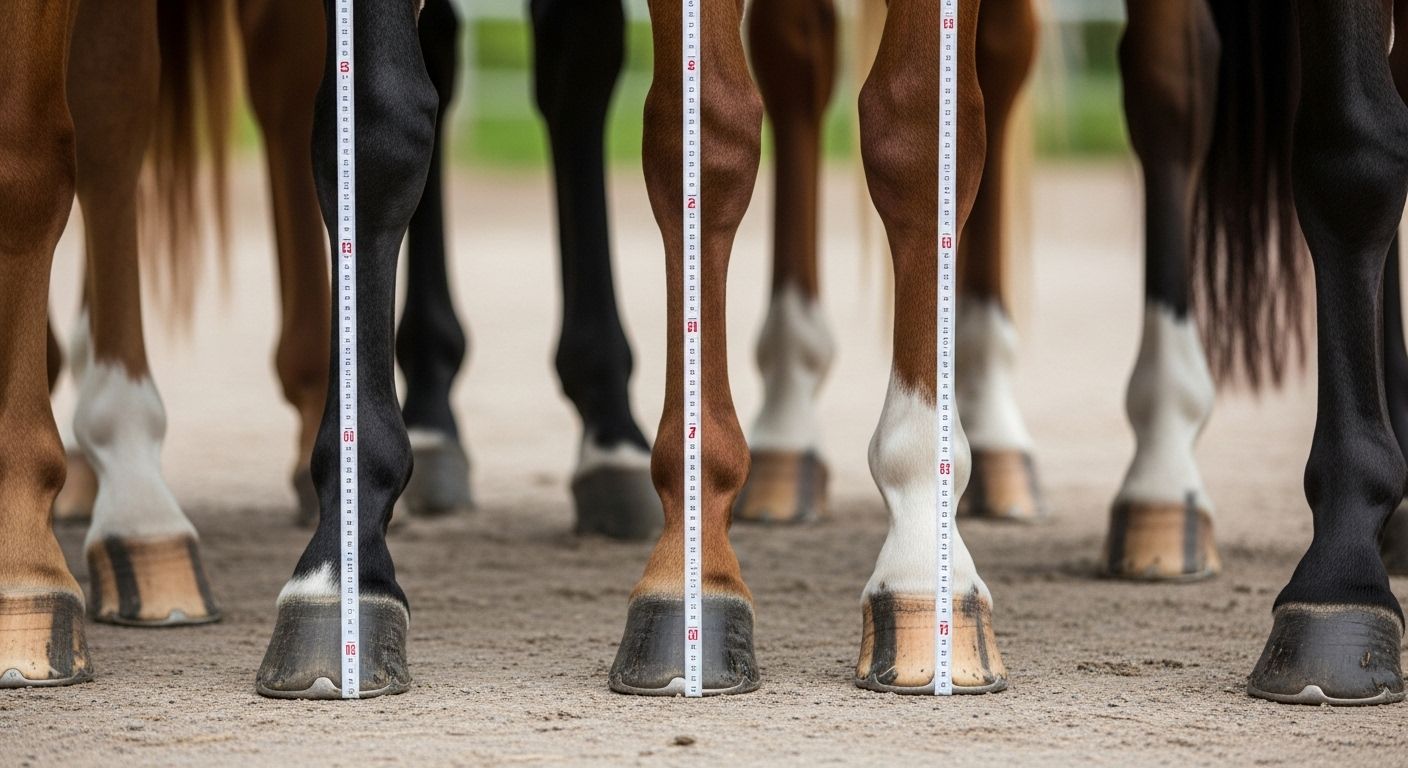
How do we *actually* get accurate measurement of hands for horses without guesswork? Enter: the *horse measuring stick*—a proper job, usually aluminium, with sliding crossbar and markings in both hands and inches. Fancy ones even have a spirit level (‘cos a wonky reading’s worse than a soggy pie). Here’s our field-tested routine:
- Ground check: Hard-packed, level surface—no grassy dips or muddy sinkholes.
- Stance: All four feet square, head neutral—not up like a meerkat, not down like they’re confessin’ sins.
- Withers hunt: Run yer hand along the spine ‘til ye find the highest bony point (ignore the mane—it’s a liar).
- Stick drop: Lower crossbar ‘til it *just* touches the withers. No pressin’. No leanin’.
- Read & convert: 67 inches? That’s 16.3 h. Write it down *before* the horse sighs and shifts weight.
Pro move: measure twice—once before feed, once after. Ponies grow an inch post-hay. (Not really. But they *do* stretch.)
Global Oddity: How measurement of hands for horses Stands Alone in a Metric World
Let’s face it—Britain’s clingin’ to imperial units like a terrier to a wellington boot. But while we’ve (mostly) surrendered miles to km on road signs, measurement of hands for horses remains gloriously, stubbornly *unmetricated*. France? Centimetres. Germany? Centimetres. USA? *Inches* (bless ‘em)—but still no *hands*. Only here, in the land of sticky buns and drizzle, do we still say “fifteen-three” with utter conviction. Why? Tradition, tactile sense, and—let’s be honest—the sheer *joy* of baffling foreigners. As one old breeder in Cumbria told us: *“Metric’s for kitchens and carpenters. Horses? They’re poetry. And poetry don’t do decimals.”*
Common Errors & How to Avoid ‘Em (Or: “Nah, That’s Not How Hands Work, Kevin”)
Let’s troubleshoot, shall we? Myth #1: “15.5 hands is a thing.” Nope. Myth #2: “Measure from the ground to the top of the head.” Only if ye fancy laughin’ all round. Myth #3: “Ponies can’t be over 13 hands.” Welsh Section Ds regularly hit 14.2—and still call themselves ponies (with pride). And Myth #4: “It’s outdated—just use cm.” Sure, 162 cm’s precise—but try walkin’ into Tattersalls and sayin’ *“She’s one-sixty-two”* with a straight face. Ye’ll be offered a leaflet on *how to talk to horses*. Measurement of hands for horses isn’t just data—it’s dialect. It’s belonging.
Why This Ancient System Still Matters—And Where to Go Deeper (Our Fave Corners of the Web)
At its core, measurement of hands for horses is more than inches and fractions—it’s a shared code. A whisper passed down from blacksmith to farrier, from stable lad to head groom. It connects us to centuries of horsemanship, to muddy fields and misty mornings, to the *thump* of a hoof and the *creak* of leather. Fancy goin’ full scholar? Start at Riding London for the lay o’ the land, dip into our ever-growing Learn hub for practical wisdom, or geek out proper with our deep-dive on imperial quirks over at hands-high-measurement-equine-height-standard. Knowledge, like a good stew, improves with time—and a pinch of tradition.
Frequently Asked Questions
How are hands measured for horses?
In the measurement of hands for horses, one hand equals 4 inches, and height is taken from the ground to the highest point of the withers (not the head or back). The reading is expressed in hands and inches—e.g., 62 inches = 15.2 hands (15 hands + 2 inches). Crucially, the fractional part resets at 4 inches: 64 inches is 16.0 hands, *not* 15.4.
What does 18 hands mean for horses?
Eighteen hands means the horse stands 72 inches (6 foot) at the withers. This is typical for large draft breeds like Shires or Clydesdales—gentle giants requiring custom tack and specialist care. At this height, the horse’s back is level with an average adult’s shoulders, making mounting blocks essential. Such stature is rare outside working or ceremonial roles, but central to understanding upper limits in measurement of hands for horses.
What does 15 hands mean on a horse?
Fifteen hands equals 60 inches (5 foot) at the withers. This is a common height for cob types, compact sport horses, and many riding school favourites. It’s agile enough for novice riders, yet substantial enough for adult use. In competitive contexts, 15.0 sits just below key thresholds (e.g., 15.2 for some open classes), making precise measurement of hands for horses vital for eligibility.
What do 14 hands mean for a horse?
Fourteen hands = 56 inches (4 foot 8 inches). In the UK, any equine *under* 14.2 hands (58 inches) is officially classified as a **pony**, regardless of build or temperament. Thus, a 14.0 h animal—however bold—is legally a pony. This distinction affects show classes, transport regulations, and even insurance premiums, underlining why accurate measurement of hands for horses carries real-world weight.
References
- https://www.bhs.org.uk/advice-and-education/horse-care/measuring-your-horse
- https://www.britishshowponysociety.co.uk/registration-measurement-rules
- https://www.thefarmyard.co.uk/equine-anatomy-withers-function
- https://www.guinnessworldrecords.com/world-records/tallest-living-horse