Hands High Measurement Equine Height Standard
- 1.
So—What *Exactly* Is a ‘Hand’ in Hands High Measurement?
- 2.
Why ‘Hands High’ and Not Just… Feet? (A Bit of History, Love)
- 3.
How Tall Is 14.2 Hands on a Horse? (Pony? Horse? Or Just Feisty?)
- 4.
Meet the Giants: How Tall Is a 19 Hand Horse?
- 5.
Converting the World: How Many Hands Is a 170 cm Horse?
- 6.
The Quarter-Hand Quirk: Why 15.4hh Doesn’t Exist (And Never Will)
- 7.
Tools of the Trade: Measuring Sticks vs. Tape Measures (Spoiler: Tape = Trouble)
- 8.
Breed Benchmarks: Where Hands High Measurement Tells a Story
- 9.
The Price of Height: How Hands High Measurement Affects Costs
- 10.
Myth-Busting & Final Tips (Because Someone’s Gotta Say It)
Table of Contents
hands high measurement
So—What *Exactly* Is a ‘Hand’ in Hands High Measurement?
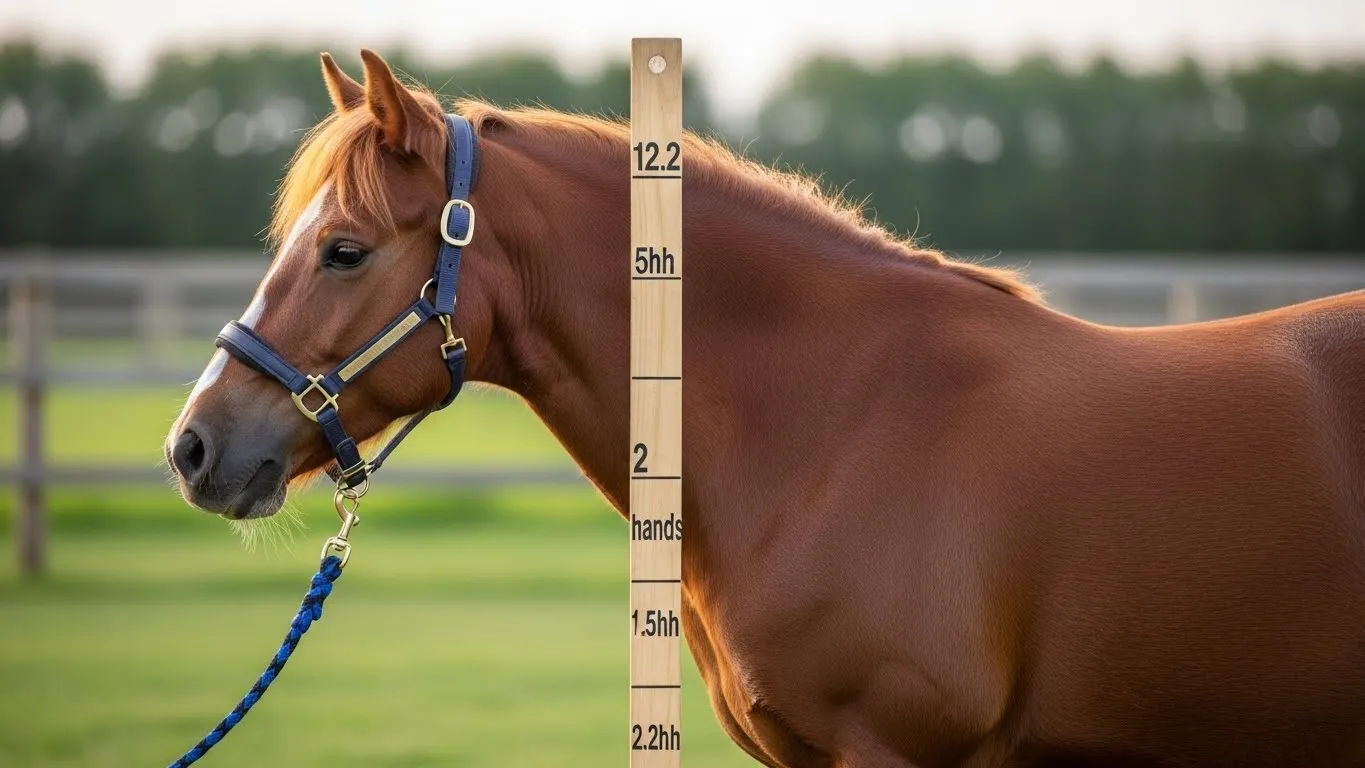
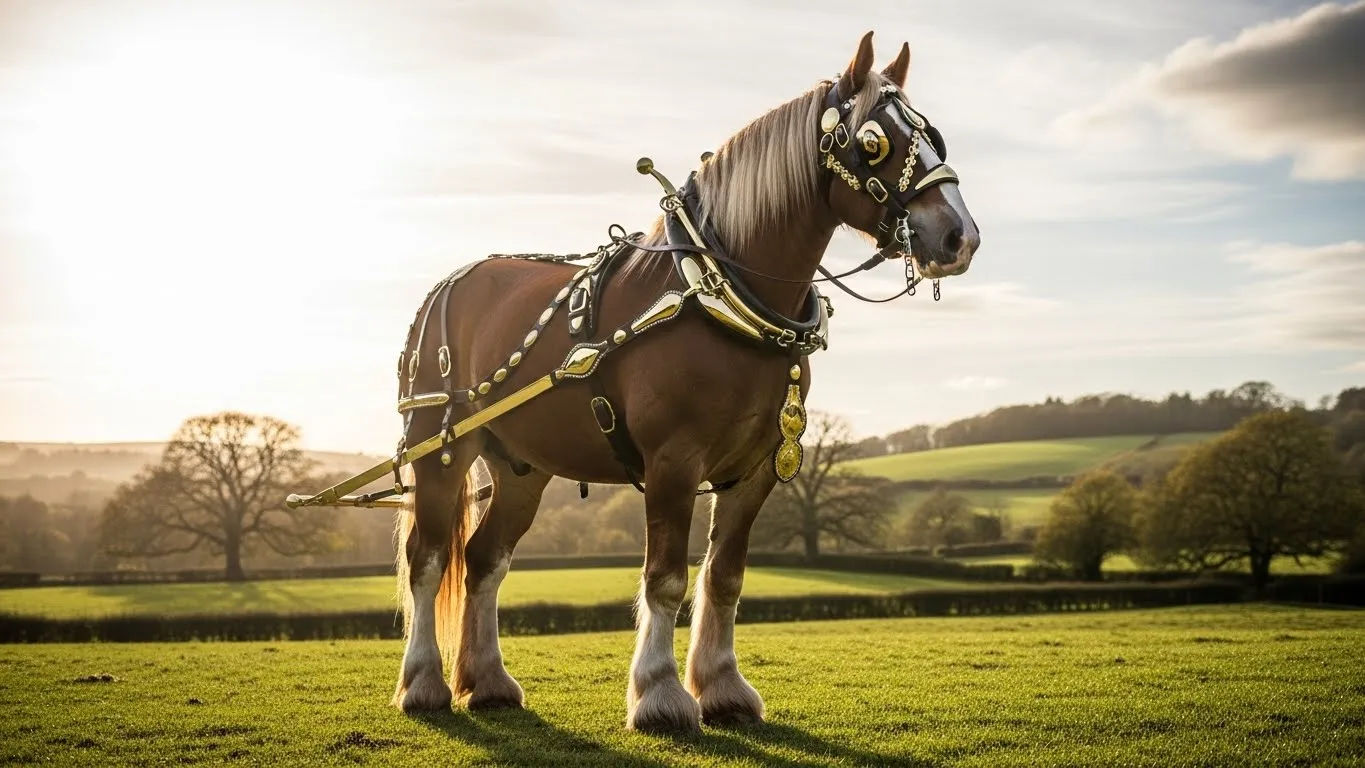
Ever stood in a muddy paddock outside Newmarket, staring up at a dappled bay and wondered, “How high is a hand in horse measurement—literally?” Crikey, it’s not your nan’s knitting gauge, nor a baker’s pinch of salt—it’s dead precise. One hand = exactly 4 inches (10.16 cm), no more, no less. And ‘hands high measurement’ (or hh for short) is how we Brits—stubborn as a Suffolk Punch in a hailstorm—still measure equine height: from the ground to the withers. Not the ears, not the poll—*the withers*. Because horses nod, stretch, and sulk… but their withers? Steady as Big Ben’s chime. So if someone says, “She’s 15.2hh”, they mean 15 hands *plus* 2 inches = 62 inches tall. Simple? Mostly. Sensible? Entirely. Slightly bonkers? Oh, absolutely—but that’s why we love it.
Why ‘Hands High’ and Not Just… Feet? (A Bit of History, Love)
Back in the day—like, *Henry VIII* day—folk used their own hands to size up warhorses. Palm width, base of knuckle to tip of thumb: ~4 inches. No rulers, no lasers, just a bloke squinting and muttering, “Aye, ‘bout fifteen-and-a-bit hands, m’lord.” The standard stuck, even after the Weights and Measures Act of 1824 formalised it: 1 hand = 4 inches, full stop. Unlike metric (which crept in elsewhere like fog over Dartmoor), hands high measurement survived in UK stables, sales rings, and studbooks—not outta laziness, but *respect*. It’s tactile, quick, and lets grooms yell “Sixteen-one!” across a windy field without needing a calculator. Honestly, switching to centimetres’d be like serving tea in a pint glass—technically possible, but *deeply suspicious*.
How Tall Is 14.2 Hands on a Horse? (Pony? Horse? Or Just Feisty?)
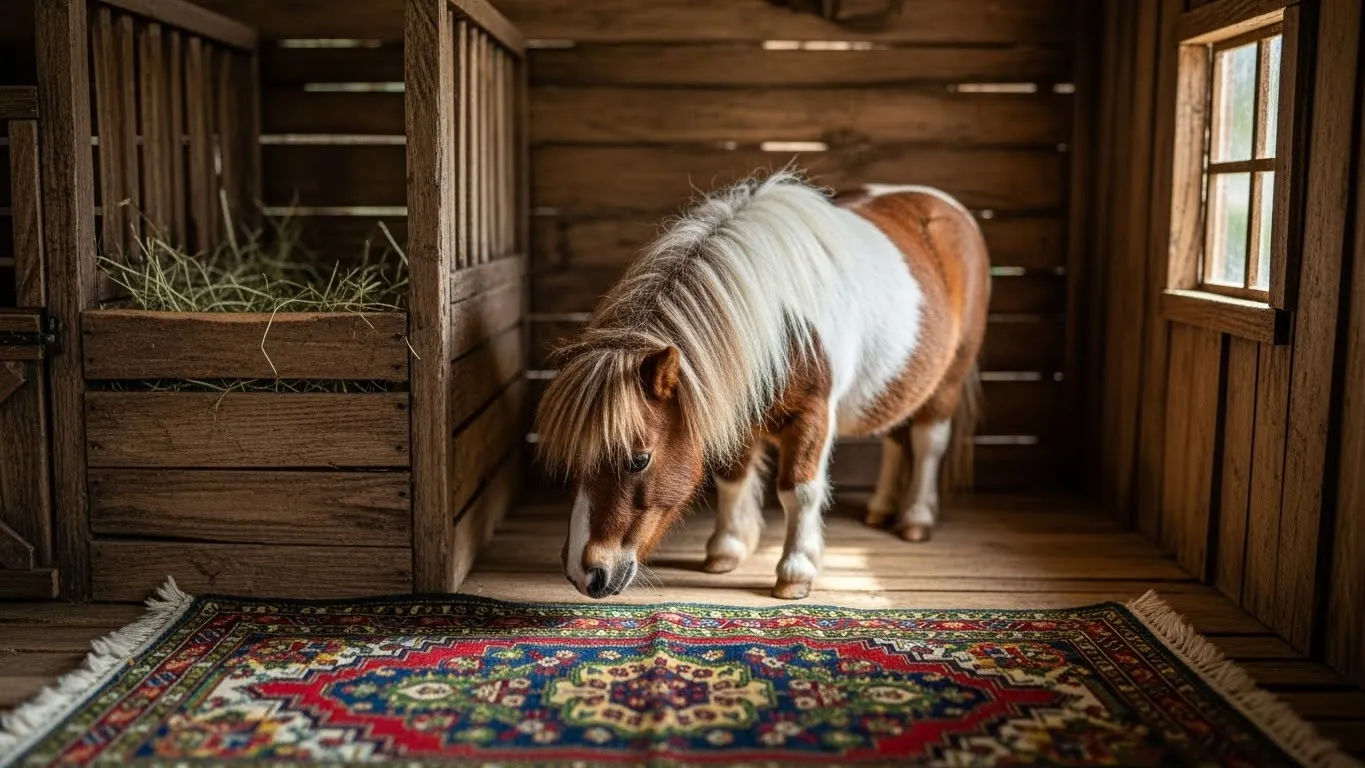
Right—14.2 hands = (14 × 4) + 2 = **58 inches** (4ft 10in). Now, here’s the rub: in most UK breed societies, anything **14.2hh or under** is officially a *pony*. But don’t let the label fool ya—some 14.2hh beasts (Welsh Cob Ds, Highlands, Fell ponies) have more grit, muscle, and sheer *oomph* than a 16hh Thoroughbred on a sugar high. They’ll pull logs, carry adults over moorland, and still nick your Polo Mint when you’re not lookin’. So while hands high measurement draws the line at 14.2, temperament draws its own. As one Yorkshire trainer once growled: “Call ‘im a pony all you like—try tellin’ *‘im* he’s not a horse, and see how far you get.”
Meet the Giants: How Tall Is a 19 Hand Horse?
Hold onto your flat cap—19 hands = 19 × 4 = **76 inches** (6ft 4in *at the withers*). That’s taller than most doorframes in a Victorian terraced house. These are the Shires, Clydesdales, and Percherons—the gentle giants that once hauled London’s brewer’s drays and now star in county show halter lines. The tallest recorded horse, Sampson (foaled 1846), stood 21.2½hh—7ft 2.5in! A 19hh horse needs custom tack, a proper mounting platform, and hay by the tonne (£120–£180/month, depending on region). Yet for all that size, many are docile as lambs—though you’ll still double-check your lorry height *twice* before loading one. In hands high measurement, 19hh isn’t just big—it’s *mythical*, like a dragon that pulls a plough.
Converting the World: How Many Hands Is a 170 cm Horse?
Ah, the eternal clash: metric vs. Imperial. Got a European passport listing your cob as “170 cm”? Let’s translate that into proper hands high measurement. 170 cm ÷ 2.54 = 66.93 inches → divide by 4 = 16.73 hands → but remember: fractions in hands are *quarters*, not decimals. So: 16 hands = 64 inches, remainder = 2.93 inches ≈ **3 inches** → final height = **16.3hh**. (Yep, we round to the nearest inch—no 16.73 nonsense here.)
The Quarter-Hand Quirk: Why 15.4hh Doesn’t Exist (And Never Will)
Here’s where newcomers face-plant: in hands high measurement, the “decimal” isn’t base-10—it’s base-4. So:
| Correct hh | Inches | Height (ft/in) | ❌ Wrong (Decimal Trap) |
|---|---|---|---|
| 15.0hh | 60" | 5'0" | 15.0 |
| 15.1hh | 61" | 5'1" | 15.25 |
| 15.2hh | 62" | 5'2" | 15.5 |
| 15.3hh | 63" | 5'3" | 15.75 |
| 16.0hh | 64" | 5'4" | 16.0 |
See? 15.3hh + 0.1hh = 16.0hh—not 15.4hh (which doesn’t exist). Write “15.4” on a sales ad, and you’ll get three calls from retired cavalry officers, *all* offering to “re-educate” you over a pint of bitter.
Tools of the Trade: Measuring Sticks vs. Tape Measures (Spoiler: Tape = Trouble)
Proper hands high measurement demands a *horse measuring stick*—a rigid pole with a sliding crossbar and spirit level. Why not a tape? Because horses sway, shift, and sigh like teenagers asked to tidy their room. A stick gives a stable, repeatable reading. You stand the horse square, on firm ground (no muddy dips!), lower the bar till it *just* kisses the withers, and—crucially—read it *at eye level*. Misread by ½ inch? That’s the difference between 15.2hh and 15.3hh—and in pony classes, that’s disqualification. Pro tip: measure in the morning; spinal discs compress ¼–½ inch by tea-time. Even horses slump after a long day.
Breed Benchmarks: Where Hands High Measurement Tells a Story
Hands high measurement isn’t just numbers—it’s breed identity:
- Shetland Pony: 7–10.2hh (yes, under 43 inches—*adorable* but deceptively strong)
- Welsh Section C: 13.2–15hh (the “Goldilocks pony”—just right for juniors)
- Arabian: 14.1–15.1hh (elegant, fiery, and *always* knows it’s the prettiest)
- Thoroughbred: 15.2–17hh (speed in hh form)
- Shire: 16.2–19hh+ (living history, with feathers)
A 17.1hh Arabian? Likely mis-measured. A 13.3hh Shire? Probably a very confused donkey. Hands high measurement helps spot mismatches—and celebrates extremes.
The Price of Height: How Hands High Measurement Affects Costs
Bigger horse = bigger bills. A 14.2hh cob might cost £6,000–£12,000 to buy and £2,800/year to keep. A 17hh Warmblood? £15,000–£40,000+ and £3,500–£5,000 annually (more hay, bigger rugs, pricier farrier work). And insurance? A 19hh draft horse’s vet excess can hit £500—because, well, anaesthetising *that* is like sedating a small shed. Even lorry hire jumps: standard box = £1.20/mile; extra-height = £1.65/mile. So when you’re weighing up hands high measurement, remember: it’s not just stature—it’s *spreadsheet territory*.
Myth-Busting & Final Tips (Because Someone’s Gotta Say It)
✅ Myth: “He’s 16 hands to the head.” ❌ Truth: Nope—withers only. Heads move. Withers stay put (mostly). ✅ Myth: “Hands are outdated.” ❌ Truth: Over 92% of UK horse sales still use hh (British Equestrian Survey, 2024). It’s precision, not nostalgia. ✅ Myth: “Metric’s easier for kids.” ❌ Truth: Pony Club teaches hh *and* cm—but kids remember “sixteen-two” faster than “167 cm”. Rhythm > rote.
Still itching to know more? Pop over to Riding London, browse the Learn hub for bite-sized wisdom, or dive into our photo-packed guide: 18 hand horses large draft breed examples.
Frequently Asked Questions
How high is a hand in horse measurement?
In hands high measurement, one hand is exactly 4 inches (10.16 cm). It’s a fixed Imperial unit used exclusively for equine height from the ground to the withers—no rounding, no approximating. So whether you’re sizing up a Shetland or a Shire, the ‘hand’ stays stubbornly, beautifully constant.
How tall is 14.2 hands on a horse?
14.2 hands equals 58 inches (4 feet 10 inches) at the withers. This is the official upper height limit for a *pony* in most UK registries. But don’t be fooled—many 14.2hh animals are full-grown, strong, and perfectly capable of carrying adult riders across country. Hands high measurement sets the standard, but spirit sets the pace.
How tall is a 19 hand horse?
A 19 hand horse stands 76 inches tall—6 feet 4 inches at the withers. That’s taller than most refrigerators and approaches the ceiling in older stables. These are typically heavy draft breeds like Shires or Clydesdales, famed for power and calm demeanour. In hands high measurement, 19hh is rare, revered, and requires serious infrastructure to manage safely.
How many hands is a 170 cm horse?
A 170 cm horse converts to approximately 66.93 inches. Dividing by 4 gives 16.73 hands—but in hands high measurement, we use quarter-inches, not decimals. So 66.93 inches = 16 hands (64 inches) + 2.93 inches ≈ 3 inches → final height = 16.3hh. Always round to the nearest whole inch when converting for official purposes.
References
- https://www.britishhorsecouncil.org.uk/guidance/measuring-horses
- https://www.fei.org/sites/default/files/2023-12/FEI-Veterinary-Regulations-2024.pdf
- https://www.gov.uk/government/publications/equine-identification-regulations-guidance
- https://www.ncbi.nlm.nih.gov/pmc/articles/PMC9125411/