Gut Pain After Eating Food Intolerance Clues
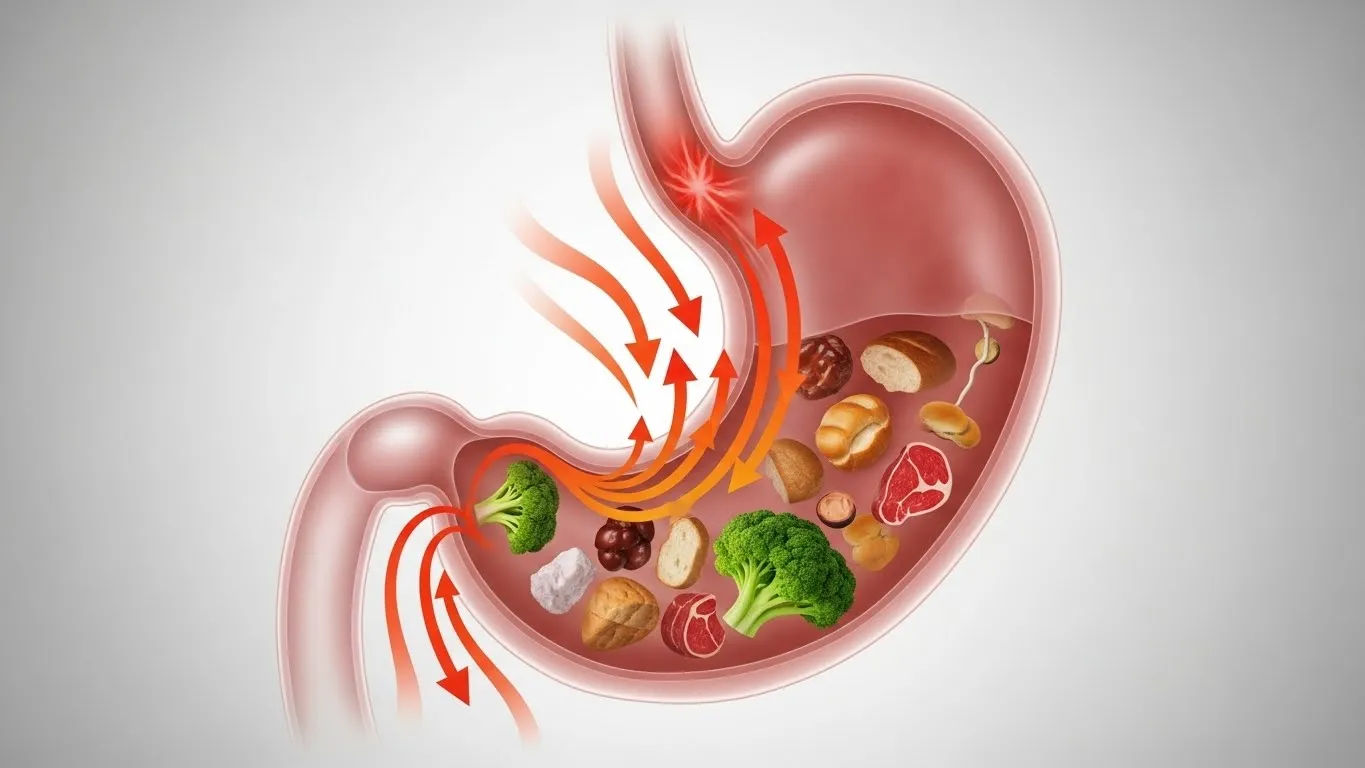
Table of Contents
gut pain after eating
“Did That Sandwich Just *Betray* Me?” – When Lunch Feels Like a Hostile Takeover
Ever polished off a lovely Sunday roast—crispy potatoes, proper gravy, a decent dollop of horseradish—only to feel your gut *twist* like it’s rehearsing for a West End tragedy? One minute you’re blissed out, glass of red in hand; the next, you’re doubled over whispering, *“why… why did I trust the sprouts?”* That, dear reader, is gut pain after eating: not indigestion, not just “a bit of wind”—but a full-blown internal protest march. And no—it’s not *always* the cheese. Though, let’s be fair, Stilton *does* have a reputation.
We’ve all been there: blaming the pub, the portion size, our age, even the weather. But what if it’s not “just one of those things”? What if your gut’s trying to tell you—*rather loudly*—that something’s off? Let’s pull up a chair (preferably near the loo), brew a ginger tea, and decode what your insides are really on about.
The Usual Suspects: Why Does My Gut Hurt After I Eat?
So—why does my gut hurt after I eat? It’s never *just* one villain. Think of your digestive tract as a 30-foot tube of delicate diplomacy: enzymes, nerves, muscles, microbes—all meant to cooperate. When dinner descends, chaos can erupt in *seconds*. Common culprits:
- Functional dyspepsia—“indigestion” with no structural cause. Feels like burning, fullness, or gnawing *upper* gut pain within 30 mins of eating. Affects ~20% of UK adults.
- Irritable bowel syndrome (IBS)—hypersensitive gut + erratic motility. Pain often *lower*, relieved by defecation. Triggered by FODMAPs (more on that shortly).
- Food intolerances—lactose, fructose, histamine, gluten (non-coeliac). Not immune-mediated like allergies—just your gut going, *“I literally cannot process this.”*
- Gallbladder issues—especially after fatty meals. Pain under right ribs, radiating to back/shoulder. One bloke in Bristol called it “a hot poker behind the ribs—every time I dared a chip butty.”
The Silent Saboteurs: Food Intolerances Disguised as “Bad Luck”
You don’t need hives or swelling to have a food intolerance. Unlike allergies (IgE-mediated, *immediate*), intolerances are enzymatic or pharmacological—and often delayed. Cue the blame-shifting:
Lactose: The Dairy Double-Cross
No lactase enzyme? Milk sugar ferments in your colon → gas, cramp, *gut pain after eating* dairy. Symptoms hit 30 mins–2 hours post-cheese toastie. UK stats: ~5–15% have primary lactase deficiency (higher in Asian, African descent); secondary (post-gastroenteritis) is common—and *temporary*.
FODMAPs: The Fermentable Foes
Fermentable Oligo-, Di-, Mono-saccharides And Polyols—*yes*, it’s a mouthful—are poorly absorbed carbs in wheat, onions, apples, legumes, sweeteners. They draw water, ferment fast, and stretch the bowel wall. Result? Bloating, wind, and classic gut pain after eating—often 1–3 hours later. A 2023 King’s College trial found 75% of IBS patients improved on low-FODMAP diet. One teacher in Leeds cut out garlic & onion—and her post-lunch crashes vanished. “Turns out,” she laughed, “my Year 9s weren’t the ones making me feel sick.”
When the Pancreas Rebels: Acute Pancreatitis Pain Timeline
Rare, but *critical* to recognise: how soon after eating does pancreatitis pain start? Typically, *within minutes to 2 hours*—especially after a high-fat or boozy meal. Pain is *severe*, constant, boring—epigastric, radiating straight through to the back like a hot rod. Nausea, vomiting (that *doesn’t* relieve pain), and tenderness on pressing the upper belly.
Triggers? Gallstones (40%), alcohol (30%), hypertriglyceridaemia, or meds (e.g., azathioprine). One case study in *Gut* journal described a 48-year-old who ate a full English, drank two pints, and was in A&E by 11:30 a.m. Bloods showed amylase >1,200 U/L (normal <100). CT confirmed oedematous pancreatitis.
Red flag: pain *worse* lying flat, *better* leaning forward. If you’ve got that + vomiting + history of gallstones or heavy drinking? Don’t wait. Call 999. Pancreatitis isn’t “wait-and-see.”
The IBS Flare-Up: What It *Actually* Feels Like (Beyond “Tummy Trouble”)
“What does an IBS flare up feel like?” Let’s ditch the euphemisms. It’s not “a bit of a rumble.” It’s:
- A deep, crampy ache—like someone’s wringing your colon out
- Bloating so severe your trousers dig in *by lunchtime*
- Urgency: “Where’s the nearest loo? *Now.*” (often followed by incomplete evacuation)
- Relief *only* after passing stool or wind
- Brain fog, fatigue—even anxiety spikes (thanks, gut-brain axis)
Gallstones, Ulcers, and That “Burning Belt” After Meals
Upper gut pain after eating often points *upstream*:
- Gallstones—pain 30–60 mins post-fatty meal, RUQ or epigastric, lasting 1–5 hrs. May cause nausea, pale stools, dark urine if obstructive.
- Peptic ulcer—burning or gnawing epigastric pain. *Duodenal* ulcers? Pain *relieved* by food (then returns 2–3 hrs later). *Gastric*? *Worsened* by eating. Night pain common.
- GERD—acid reflux + heartburn. Worse lying down or bending. But silent reflux? Can cause *only* epigastric ache—no burning.
The Gut-Brain Axis: Why Stress Turns Dinner into Drama
Your enteric nervous system—200+ million neurons—runs your gut like a second brain. And it *texts* your actual brain *constantly*. Stress → cortisol + adrenaline → alters motility, increases permeability (“leaky gut”), and *lowers pain threshold*. So that same meal you ate calmly on holiday? At your desk during deadline week? Cue cramp, urgency, gut pain after eating.
A 2024 study in *Neurogastroenterology & Motility* found IBS patients under stress had 40% higher visceral sensitivity—*even with identical meals*. One therapist in Brighton teaches “diaphragmatic breathing before eating”: 4 secs in, 6 secs out, 3 cycles. “It signals safety to the gut,” she says. “You’d be amazed how often *that* stops the post-lunch crash.”
When to Be Concerned: Red Flags You Mustn’t Ignore
“When to be concerned about gut pain?” Most post-meal aches are functional—but some demand *urgent* attention. Seek same-day GP or A&E if you have:
| Red Flag | Possible Cause |
|---|---|
| Unintentional weight loss (>5% in 6 months) | Malignancy, IBD, malabsorption |
| Blood in stool (red or black/tarry) | Ulcer, diverticulosis, cancer |
| Persistent vomiting or inability to keep food down | Obstruction, gastroparesis, pancreatitis |
| Fever + severe abdominal tenderness | Perforation, appendicitis, diverticulitis |
| Family history of IBD or colorectal cancer + new symptoms >45y | Refer for colonoscopy |
DIY Detective Work: Your 2-Week Food & Symptom Diary
Before you go full elimination diet (or worse—order a £199 “intolerance test” online), try this: a *structured* food-mood-poo diary. Track for 14 days:
- Time & content of meals (be honest—yes, even the Hobnobs)
- Pain onset, location, intensity (0–10)
- Bowel habit (Bristol Scale 1–7)
- Stress level, sleep, meds
Putting It All Together: Your Gut-Friendly Action Plan
So—what now?
- Mild, occasional gut pain after eating? → Try smaller meals, chew slowly, avoid known triggers (fizzy drinks, fatty foods), and eat in a calm space.
- Recurring >2–3x/week? → Start that food diary. Try low-FODMAP for 2–6 weeks *with guidance* (Monash app, dietitian).
- Any red flag? → GP *now*. Ask for: FBC, CRP, coeliac serology (tTG-IgA), faecal calprotectin (IBD vs IBS).
FAQ: Your Burning Questions on gut pain after eating
Why does my gut hurt after I eat?
Gut pain after eating commonly stems from functional disorders like IBS or dyspepsia, food intolerances (e.g., lactose, FODMAPs), gallbladder dysfunction, or peptic ulcers. The timing and location of pain offer clues: upper pain after fatty meals suggests gallbladder issues; lower cramp + bloating points to IBS or fermentation. Stress and rapid eating worsen symptoms by disrupting normal motility and sensitivity.
How soon after eating does pancreatitis pain start?
Acute pancreatitis pain typically begins within 30 minutes to 2 hours after a meal—especially high-fat or alcohol-laden ones. It’s severe, constant, epigastric, and often radiates to the back. Unlike indigestion, vomiting doesn’t relieve it. If gut pain after eating is this intense and persistent, seek emergency care immediately—it’s a medical emergency.
When to be concerned about gut pain?
Be concerned about gut pain after eating if accompanied by red flags: unintentional weight loss, blood in stool, persistent vomiting, fever, severe tenderness, or family history of IBD/cancer. Pain lasting >2 weeks, worsening over time, or interfering with daily life also warrants GP review. Never dismiss new-onset pain after age 45 without investigation.
What does an IBS flare up feel like?
An IBS flare-up features crampy gut pain after eating—often lower abdomen—relieved by defecation, plus bloating, gas, and altered bowel habits (diarrhoea, constipation, or both). Many report urgency, incomplete evacuation, and fatigue. Flares commonly follow meals (especially high-FODMAP), stress, or hormonal shifts. It’s not “just tummy trouble”—it’s a real, neuro-muscular dysfunction of the gut-brain axis.
References
- https://cks.nice.org.uk/topics/irritable-bowel-syndrome/
- https://www.nhs.uk/conditions/indigestion/
- https://www.gutscharity.org.uk/information-sheets/pancreatitis/
- https://monashfodmap.com/